


Our Core Services at Tranquil & Quest Specialist Hospital
High blood pressure, medically known as Hypertension, affects millions of people worldwide, yet many are completely unaware they have it. Unlike other illnesses that produce noticeable discomfort, hypertension develops quietly and progressively.
Because it rarely shows warning signs, it is often only detected during routine health screenings or after serious complications arise. This makes awareness, education, and prevention critically important.
Why Hypertension Is Called the “Silent Killer”
Hypertension is referred to as the “silent killer” because it typically does not produce obvious symptoms—even when levels are dangerously high. Key Reasons:
- No Pain Signals: Unlike infections or injuries, high blood pressure doesn’t usually cause pain
- Gradual Damage: It slowly damages blood vessels and organs over time
- Normal Daily Functioning: Most people feel completely fine and continue their routine
- Late Detection: Often diagnosed only after complications occur
This silent progression is what makes hypertension particularly dangerous—it can harm your body for years without detection.
How High Blood Pressure Affects the Body
Even without symptoms, hypertension continuously puts pressure on your circulatory system. Over time, this leads to:
1. Blood Vessel Damage
Constant pressure weakens artery walls, making them less flexible and more prone to blockage.
2. Heart Strain
The heart has to work harder to pump blood, increasing the risk of heart enlargement and failure.
3. Reduced Oxygen Supply
Damaged arteries limit oxygen flow to vital organs, affecting their function.
Health Risks of Untreated Hypertension
If left unmanaged, hypertension can result in serious complications, including:
- Heart disease – One of the leading causes of death globally
- Stroke – Caused by blocked or ruptured blood vessels in the brain
- Kidney damage – Can lead to chronic kidney disease or failure
- Vision loss – Due to damage to the retina (hypertensive retinopathy)
- Cognitive decline – Long-term effects on brain health and memory
These risks highlight why early detection is essential—even in the absence of symptoms.
Who Is Most at Risk?
Certain groups are more vulnerable to developing hypertension:
High-Risk Categories
- Adults aged 30 and above
- Individuals with a family history of hypertension
- People consuming high-sodium diets
- Those with sedentary lifestyles
- Overweight or obese individuals
- People experiencing chronic stress
- Smokers and excessive alcohol consumers
Important Insight
You don’t need to feel unwell to be at risk. Even healthy-looking individuals can have high blood pressure.
Early Warning Signs (When They Occur)
Although rare, some people may experience symptoms when blood pressure becomes extremely high:
- Frequent headaches
- Shortness of breath
- Nosebleeds
- Chest pain
- Dizziness
However, these signs usually appear late, reinforcing the importance of regular screening rather than waiting for symptoms.
Prevention and Management Strategies
Managing hypertension involves a combination of lifestyle changes and medical care:
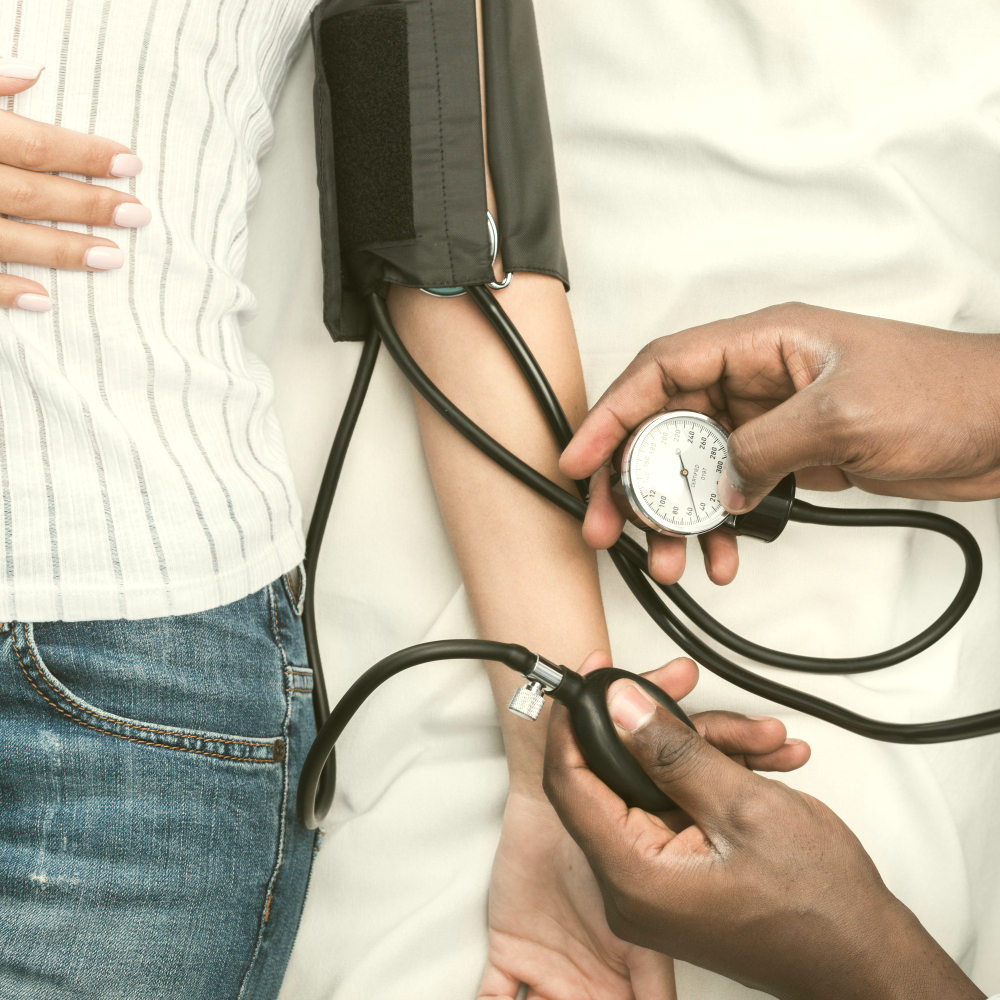
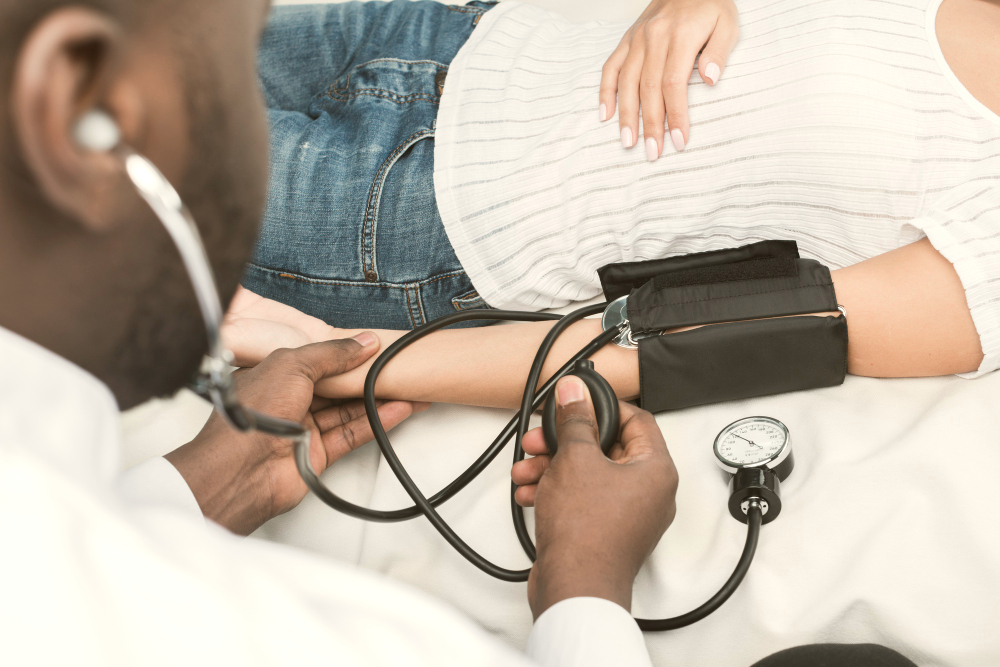
1. Regular Blood Pressure Monitoring
Routine checks, at home or in clinics, help detect issues early.
2. Adopt a Heart-Healthy Diet
- Reduce salt intake
- Eat more fruits, vegetables, and whole grains
- Limit processed foods
3. Stay Physically Active
Aim for at least 30 minutes of moderate exercise most days of the week.
4. Manage Stress Effectively
Incorporate relaxation techniques such as:
- Meditation
- Deep breathing
- Yoga
5. Maintain a Healthy Weight
Weight management significantly reduces blood pressure levels.
6. Follow Medical Advice
If prescribed medication, take it consistently and attend follow-up appointments.
Why Regular Screening Is Essential
Since hypertension rarely presents symptoms, screening is the only reliable way to detect it early.
Benefits of regular checks:
- Early diagnosis before complications develop
- Better control of blood pressure
- Reduced risk of heart disease and stroke
- Improved long-term health outcomes
Routine monitoring should be part of every adult’s healthcare plan.
The Role of Preventive Healthcare
Preventive care plays a crucial role in managing silent conditions like hypertension. This includes:
- Annual health check-ups
- Lifestyle counseling
- Early intervention strategies
- Patient education and awareness
Healthcare providers emphasize prevention because it is far more effective—and less costly—than treating advanced disease.
Conclusion
High blood pressure is dangerous not because of what you feel, but because of what you don’t. Its silent nature allows it to progress unnoticed, potentially leading to life-threatening complications.
By prioritizing regular screenings, adopting a healthy lifestyle, and seeking medical advice when needed, you can take control of your health and reduce your risk.
“At Tranquil & Quest Specialist Hospital, we believe healthcare is not just about treating illness but about caring for people with compassion, precision, and trust.”
Medical Director, TQSH