


Our Core Services at Tranquil & Quest Specialist Hospital
Surgical safety is one of the most critical aspects of modern healthcare. Whether it is a minor procedure or a major operation, the environment in which surgery takes place plays a significant role in determining patient outcomes.
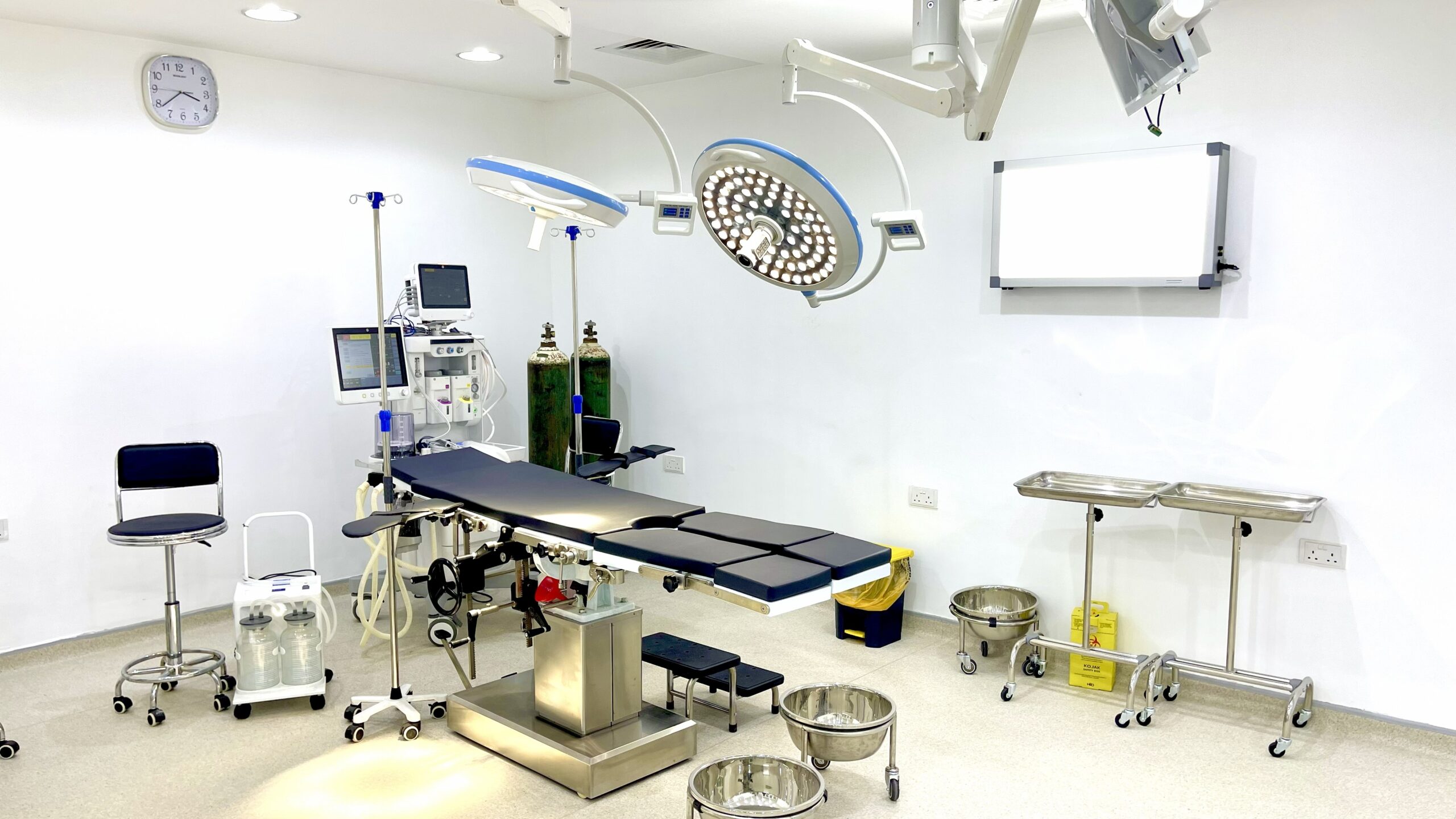
A safe surgical environment goes beyond the operating room, it involves careful planning, skilled professionals, strict protocols, and continuous monitoring. When all these elements work together, they minimize risks, prevent complications, and ensure faster recovery for patients.
Why Surgical Safety Matters
Every surgical procedure carries some level of risk. However, with the right systems in place, these risks can be significantly reduced. A safe surgical environment helps to:
- Prevent infections and complications
- Improve surgical accuracy and outcomes
- Reduce recovery time
- Enhance patient confidence and trust
- Lower mortality and morbidity rates
Core Components of Surgical Safety
1. Experienced and Qualified Medical Team
The foundation of any safe surgical environment is a highly skilled and well-coordinated team. This includes:
- Certified surgeons with specialized expertise
- Anesthetists who monitor vital functions during surgery
- Nurses and surgical assistants trained in perioperative care
Team coordination, communication, and adherence to protocols are essential to ensure every step of the procedure is carried out safely.
2. Strict Sterilization and Infection Control
Preventing infection is a top priority in surgical care. Hospitals achieve this through:
- Sterilization of all surgical instruments
- Use of sterile gowns, gloves, and drapes
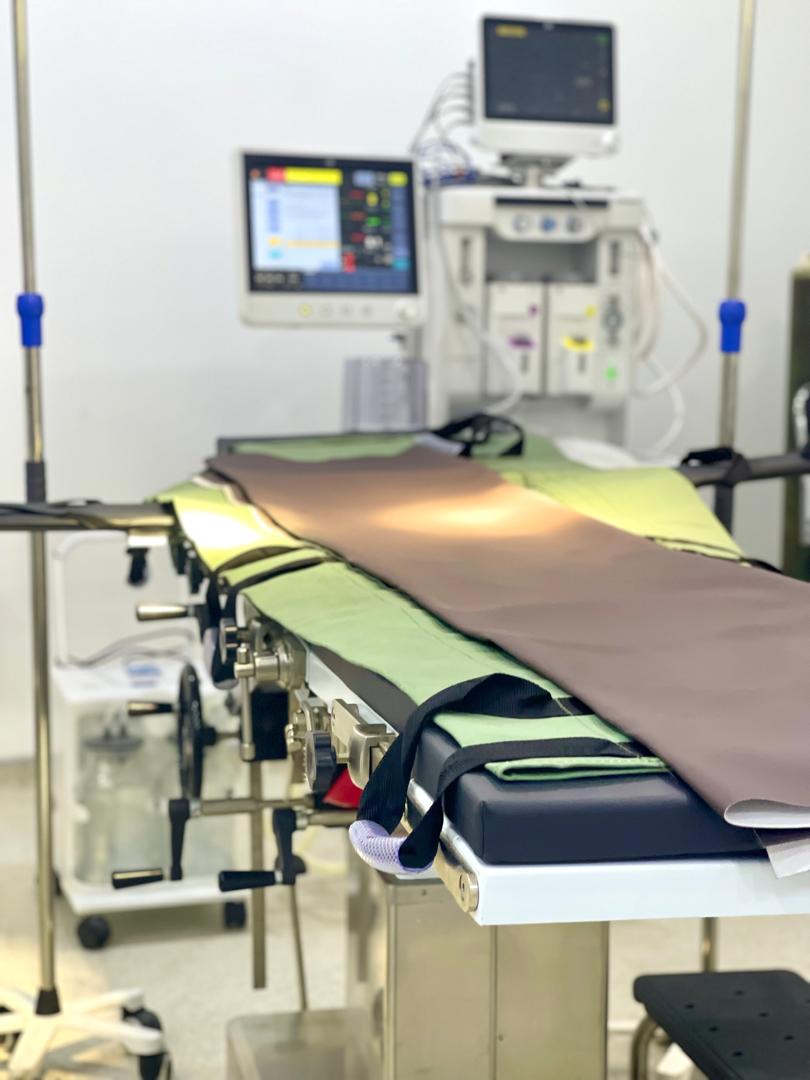
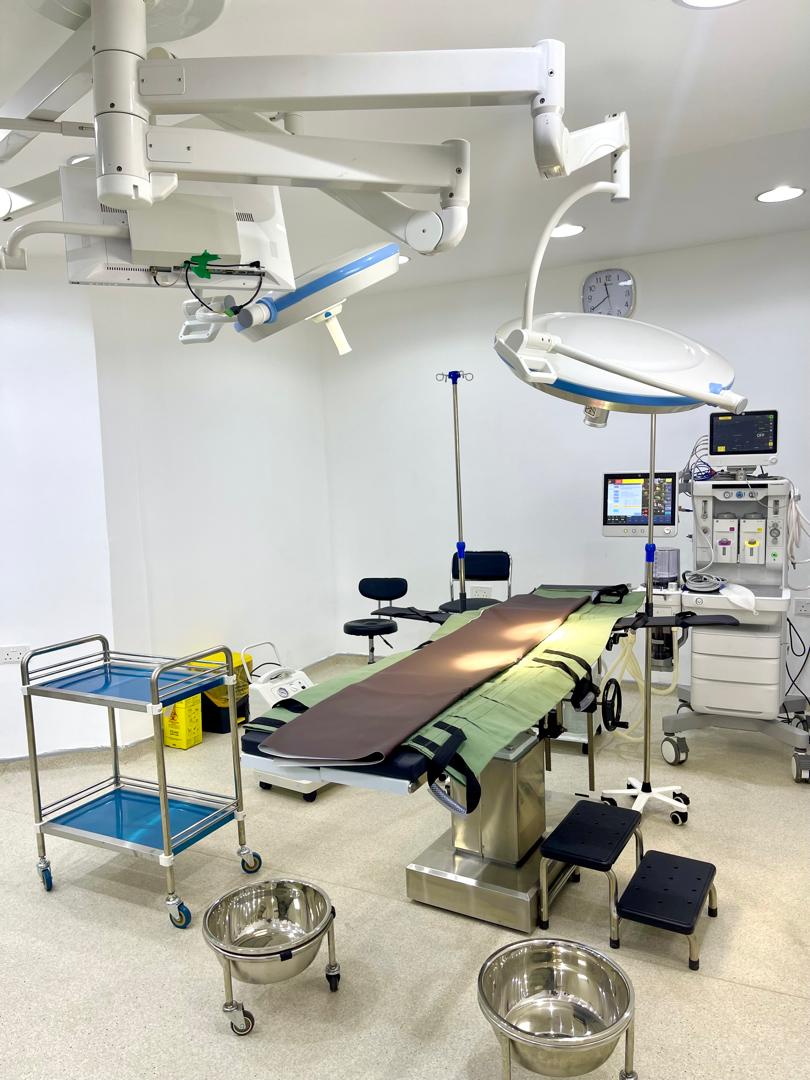
- Controlled operating room environments
- Adherence to infection prevention protocols
These measures significantly reduce the risk of surgical site infections (SSIs), which are among the most common complications after surgery.
3. Advanced Medical Technology and Equipment
Modern surgical environments rely on advanced technology to improve precision and safety. Examples include:
- High-definition imaging systems
- Minimally invasive surgical tools
- Monitoring devices for heart rate, oxygen levels, and blood pressure
These technologies allow for more accurate procedures, smaller incisions, and faster recovery times.
4. Comprehensive Pre-Surgical Assessment
Before any procedure, patients undergo thorough evaluations to ensure they are fit for surgery. This includes:
- Medical history review
- Physical examination
- Laboratory tests and imaging
- Risk assessment for anesthesia and surgery
Proper preparation helps identify potential risks and allows the medical team to plan accordingly.
5. Effective Communication and Surgical Checklists
Clear communication among the surgical team is essential for safety. Many hospitals use standardized tools like:
- Surgical safety checklists
- Pre-operative briefings
- Time-out procedures before incision
These steps help confirm:
- Patient identity
- Correct procedure
- Surgical site
This reduces the likelihood of preventable errors.
6. Safe Anesthesia Practices
Anesthesia is a critical component of surgery and must be carefully managed. A safe environment ensures:
- Proper dosage and administration
- Continuous monitoring of vital signs
- Immediate response to any complications
An experienced anesthetist plays a key role in maintaining patient stability throughout the procedure.
7. Post-Operative Monitoring and Care
Surgical safety does not end when the operation is completed. Post-operative care includes:
- Monitoring vital signs
- Managing pain effectively
- Preventing infections
- Detecting complications early
Proper follow-up care ensures smooth recovery and reduces the risk of readmission.
Patient-Centered Care: A Key Element of Safety
A truly safe surgical environment prioritizes the patient’s experience, comfort, and understanding. This involves:
- Clear explanation of procedures and risks
- Obtaining informed consent
- Respecting patient dignity and privacy
- Providing emotional support before and after surgery
When patients feel informed and supported, they are more confident and better prepared for recovery.
Signs of a Safe Surgical Facility
When choosing where to undergo surgery, look for:
- Qualified and licensed medical professionals
- Clean and well-maintained facilities
- Availability of emergency support (ICU, ambulance services)
- Positive patient reviews and outcomes
- Transparent communication and care processes
Conclusion
A safe surgical environment is not created by chance, it is the result of expertise, preparation, advanced technology, and a strong commitment to patient care.
From pre-surgical assessment to post-operative recovery, every step matters in ensuring the best possible outcomes.
“At Tranquil & Quest Specialist Hospital, we believe healthcare is not just about treating illness but about caring for people with compassion, precision, and trust.”
Medical Director, TQSH