Breaking the Silence: Achieving Holistic Health for Men

Societal expectations frequently dictate that men must remain stoic, absorbing stress, anxiety, and pressure without outward vulnerability. However, keeping emotional struggles hidden is an unsustainable health strategy. In honor of Men’s Mental Health Awareness Month, it is critical to address the vital importance of preventive care, mental well-being, and healthy lifestyle choices for men of all ages. True health requires a complete alignment of physical strength and mental resilience. When structural stress builds up, adopting proactive habits is the most effective approach to safeguarding your cognitive longevity.

Below are five actionable lifestyle pillars engineered to optimize men’s mental and physical health.

The Dynamic Interconnection of Mind and Body

Mental well-being does not exist in a vacuum; it directly dictates your physiological performance. When chronic stress or emotional pressure is ignored, your system initiates silent biological strains:

  • The Neurological Recovery Phase: Sleep is the baseline framework in which your brain flushes metabolic waste and repairs neural pathways. Neglecting recovery compromises emotional stability and focus.
  • The Biochemical Stress Response: Bottling up frustration triggers elevated cortisol and adrenaline levels. Left unchecked, this systemic tax accelerates physical fatigue and damages immune resilience.
  • The Proactive Outlets Matrix: Replacing temporary, high-risk coping mechanisms with constructive, physical habits safely burns off biological tension and balances dopamine production.

Key Pillars for Men’s Mental Hardening

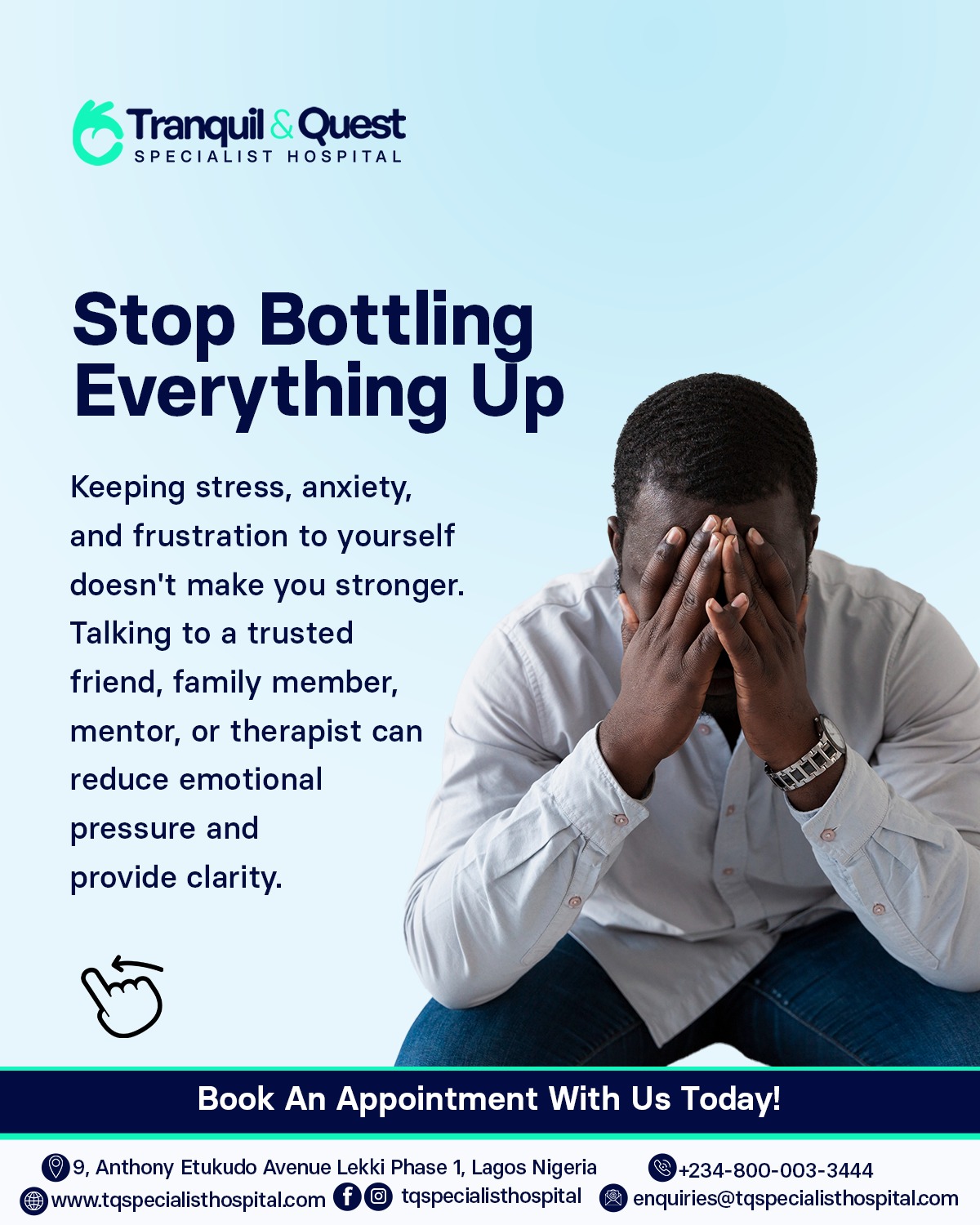
1. Stop Bottling Everything Up

Suppressing stress, anxiety, and daily frustrations does not signify strength; it creates a structural bottleneck that compromises your health. As illustrated in the image below, keeping everything inside eventually leads to a breakdown. Sharing your challenges with a trusted friend, family member, mentor, or professional therapist reduces internal pressure and delivers instant cognitive clarity.

  • Key Focus: Relieving emotional pressure, finding objective solutions, breaking isolation.
  • Action Metric: Schedule a direct conversation with someone in your circle when pressure builds up.
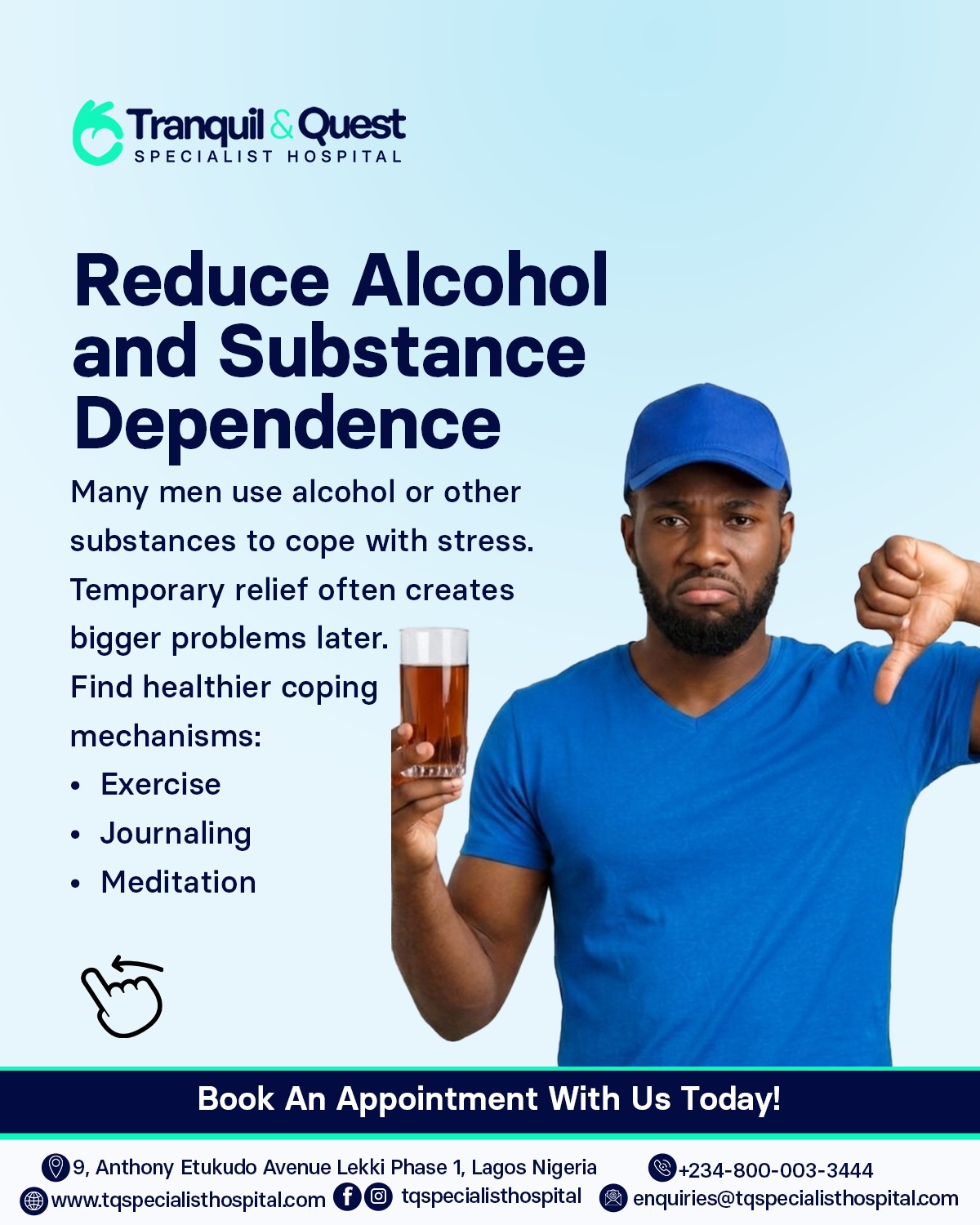
2. Reduce Alcohol and Substance Dependence

When professional or personal stress escalates, many men turn to alcohol or other substances as a temporary escape. As shown in the image below, this temporary relief simply compounds the underlying issue, creating far greater problems later on. Instead, redirect your focus to healthy, low-risk coping mechanisms that organically clear your mind.

  • Alternative Outlets: Active physical training, structured journaling, or daily mindfulness meditation.
  • Action Metric: Actively replace stress-induced drinking with a constructive physical outlet.
3. Build Real, Genuine Friendships

While many men have extensive professional networks or casual acquaintances, very few maintain deep, authentic support systems. Building genuine connections is a powerful defense mechanism for your mental stability, a concept highlighted in the image. Prioritize time to make the phone call, meet up with friends consistently, and check in on the people you care about.

  • Key Benefits: Shared accountability, mutual stress reduction, robust emotional security.
  • Action Metric: Reach out directly to at least one close friend this week to sync up outside of work.
4. Move Your Body Daily

Physical training is not exclusively engineered for muscle building; it is a fundamental pillar of neurological regulation. Engaging in physical activity, as depicted in the image, burns off excess cortisol, dramatically boosts self-confidence, sharpens your mood, and upgrades your nighttime sleep quality.

  • The Baseline Goal: Dedicate at least 30 minutes to consistent, intentional body movement every day.
  • Action Metric: Incorporate run sessions, weight training, or functional mobility drills into your morning routine.
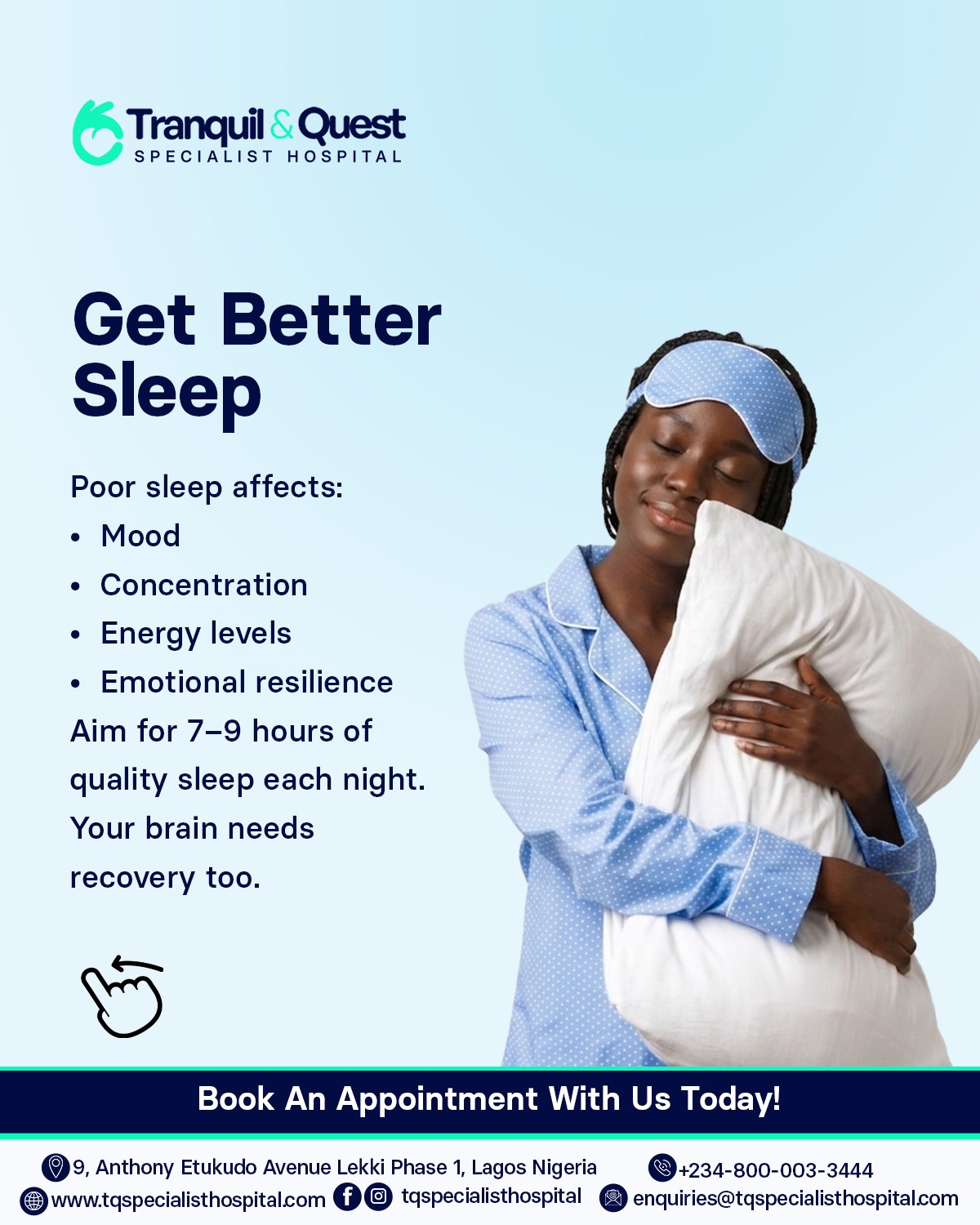
5. Secure High-Quality Sleep

Your brain depends on deep sleep cycles to reset its emotional boundaries and consolidate memories. As outlined in the image, poor or disrupted sleep severely degrades your mood, short-circuits your concentration, drops your baseline energy reserves, and erodes your emotional resilience. Protecting your sleep architecture is a non-negotiable requirement for physical and mental restoration.

  • The Golden Standard: Aim for 7 to 9 hours of uninterrupted, deep sleep each night.
  • Action Metric: Establish a strict digital blackout window one hour before bedtime to optimize melatonin production.

The Risk of Neglecting Psychological Wellness

Treating mental well-being as an afterthought introduces severe long-term operational risks to your health. Prolonged emotional strain can eventually manifest as physical pathologies, including elevated cardiovascular risk, chronic sleep architecture failure, and systemic exhaustion. Taking control of your mental health with the exact same tactical discipline you apply to your business operations ensures you preserve your lifetime health returns.

Emergency interventions resolve a physical crisis after a system breakdown, but committing to a proactive, integrated mental and physical wellness plan is what allows you to operate at peak efficiency. Taking charge of your health step-by-step guarantees a safe path toward long-term longevity.