



World Asthma Day 2026
Every year, World Asthma Day is observed to raise awareness about asthma, a chronic respiratory condition that affects millions of people worldwide. It serves as a reminder that while asthma can be managed, access to the right treatment remains a critical challenge for many.
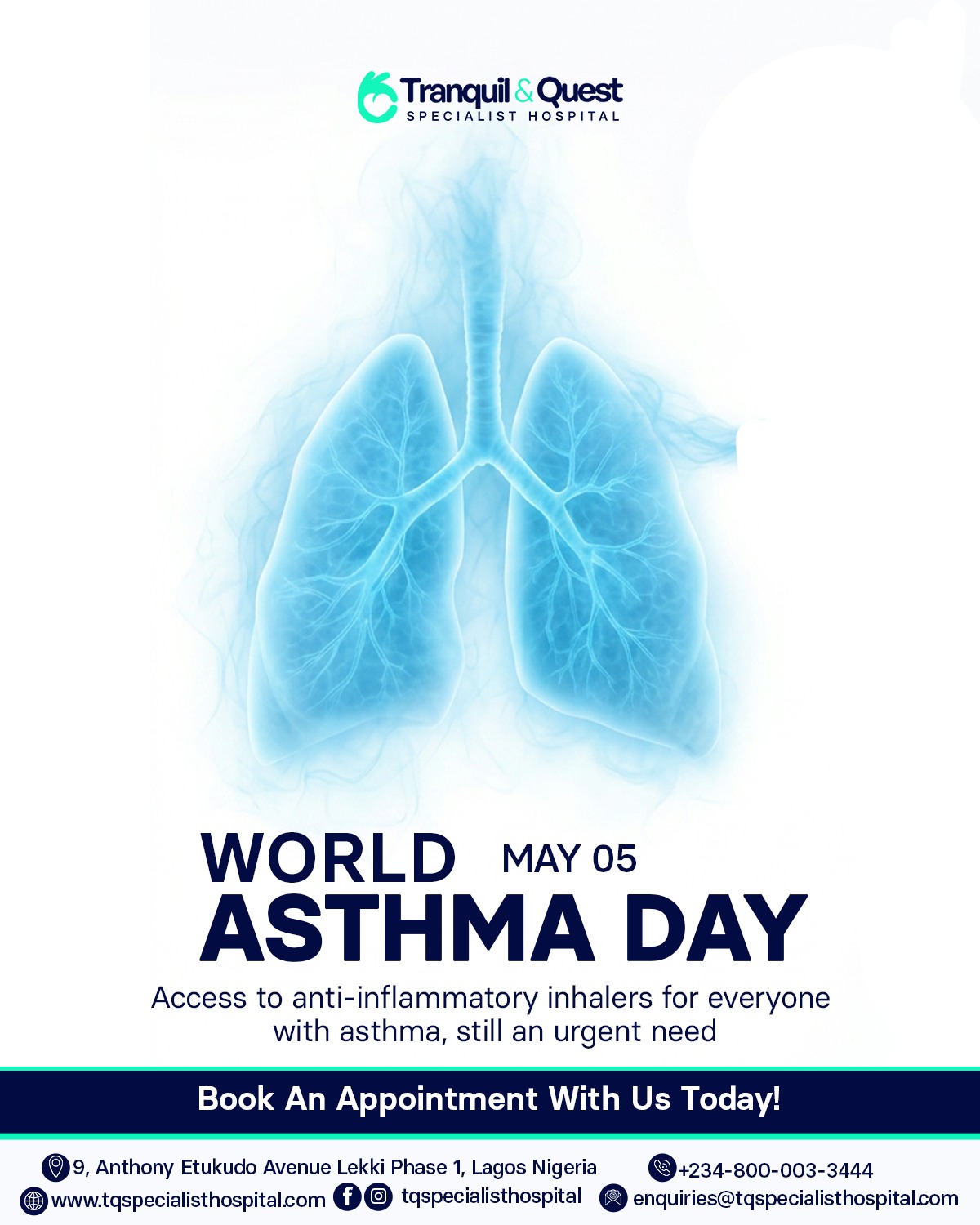
2026 Theme: A Call for Equal Access
The theme for World Asthma Day 2026: “Access to anti-inflammatory inhalers for everyone with asthma, still an urgent need” highlights a pressing global health concern.
Anti-inflammatory inhalers are essential for controlling asthma and preventing severe attacks. However, many individuals still lack access to these life-saving medications due to cost, availability, or lack of awareness.
Understanding Asthma
Asthma is a long-term condition that affects the airways, causing them to become inflamed and narrow. This can lead to symptoms such as:
- Shortness of breath
- Wheezing
- Chest tightness
- Persistent coughing
While asthma cannot be cured, it can be effectively managed with proper medication, regular monitoring, and lifestyle adjustments.
Why Access to Inhalers Matters
Anti-inflammatory inhalers play a key role in:
- Reducing airway inflammation
- Preventing asthma attacks
- Improving quality of life
- Reducing hospital visits and emergencies
Without consistent access to these medications, individuals with asthma are at a higher risk of complications and reduced daily functioning.
The Role of Healthcare Providers
Healthcare providers, especially family physicians, are essential in:
- Diagnosing asthma early
- Educating patients on proper inhaler use
- Creating personalized treatment plans
- Ensuring continuous care and monitoring
At Tranquil and Quest Specialist Hospital (TQSH), we are committed to improving access to quality care and supporting patients with chronic respiratory conditions through expert guidance and compassionate service.
Taking Control of Your Breathing
If you or a loved one lives with asthma, here are a few important steps to take:
- Always carry your prescribed inhaler
- Avoid known triggers such as dust, smoke, and allergens
- Attend regular medical check-ups
- Follow your treatment plan consistently