



What to Expect When Preparing for a Surgical Procedure
Facing a surgical procedure can bring up a lot of anxiety, but much of that fear comes from simply not knowing what to expect. Understanding the basic steps of your surgical journey is the best way to build confidence and prepare for a smooth recovery.
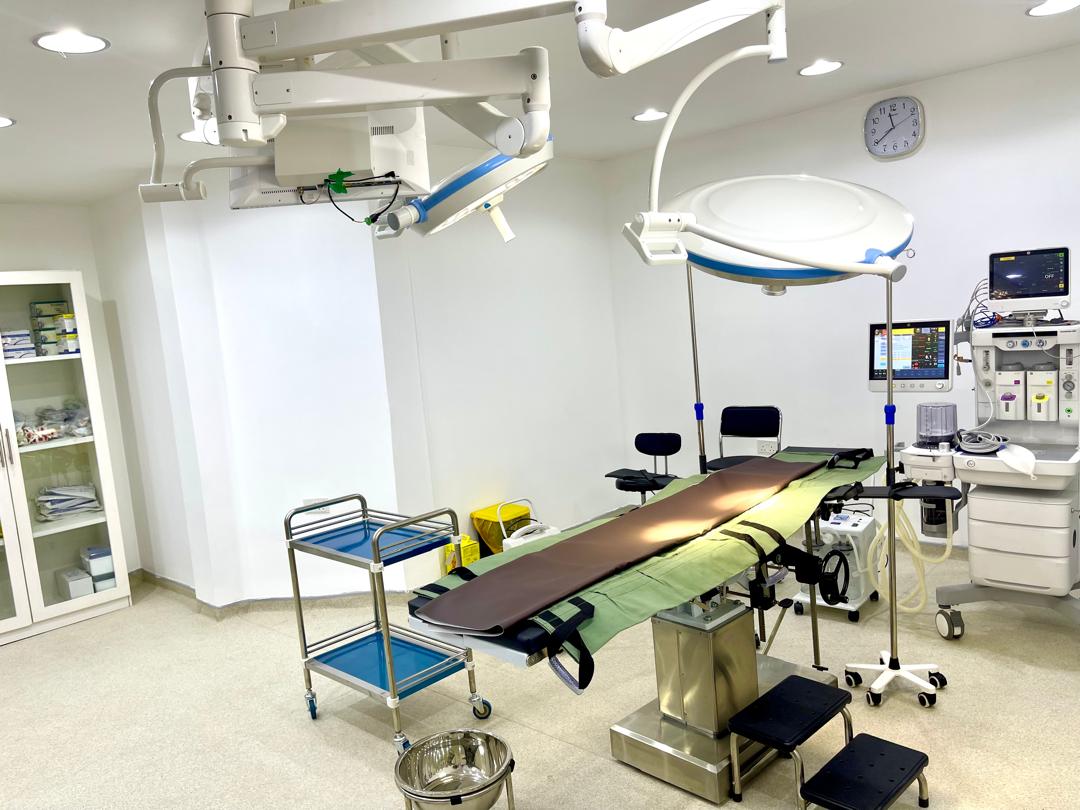
The Three Phases of Surgery
A surgical procedure is not just a single moment in time, it is a highly coordinated, continuous medical process divided into three distinct phases:
1. The Pre-operative Phase (Preparation): This stage is all about evaluation and safety. Your medical team runs baseline diagnostics, reviews your medical history, and optimizes your body to ensure it is in the best possible condition for the procedure.
2. The Intra-operative Phase (The Procedure): This is the actual surgical intervention. It takes place within a strictly sterile, temperature-controlled environment under the constant care of a multidisciplinary team of surgeons, anesthesiologists, and specialized nurses.
3. The Post-operative Phase (Recovery): This phase begins the moment your surgery is completed. It focuses on safely waking you up from anesthesia, managing your pain immediately, protecting your incision site, and guiding your long-term healing.
Your Essential Pre-Surgery Checklist
To ensure everything goes smoothly on the day of your operation, keep these four essential preparation guidelines in mind:
- Complete All Diagnostic Lab Tests Early: Your surgical team relies on objective data. Ensure you get all requested blood work (such as full blood counts and clotting profiles) and imaging (like X-rays or ECGs) completed ahead of time so your team has a clear health roadmap.
- Be Entirely Transparent About Your Medical History: During your consultations, explicitly disclose all chronic conditions (like hypertension or diabetes), previous surgeries, allergies, and every medication you currently take—including blood thinners, vitamins, or local herbal supplements.
- Adhere Strictly to Fasting (NPO) Timelines: If your doctor instructs you to fast for a specific number of hours before surgery, follow this rule precisely. This means zero food, water, or liquids. Fasting protects your airway and prevents stomach contents from accidentally entering your lungs during anesthesia.
- Set Up a Post-Surgery Support System: Anesthesia will leave you feeling drowsy long after the procedure ends. Arrange for a trusted family member or friend to handle your discharge documentation, drive you home safely, and assist you with basic household needs during your first few days of recovery.
When to Contact Your Clinical Team Post-Surgery
While mild physical soreness, bruising, and fatigue are completely normal parts of the biological healing process, you should monitor your body closely once you are home. Contact your doctor or our emergency care team immediately if you notice any of these warning flags:
A sudden, high fever or persistent chills.
Severe or worsening physical pain that is not relieved by your prescribed medications.
Excessive bleeding, spreading redness, or foul-smelling fluids leaking from your incision lines.
Sudden shortness of breath, sharp chest pain, or severe swelling and warmth in your lower legs.
Conclusion
Demystifying the surgical environment removes the fear of the unknown. Modern surgery relies on strict safety checklists, highly trained professionals, and advanced medical technology all working together to protect you. By understanding what to expect, you can stop worrying about the process and focus your mental energy entirely on what matters most, recovering completely.