



Recognize the Signs: Protecting Your Brain Health
When we think about wellness, we often focus on physical fitness, heart health, or metabolic balance. However, cognitive vitality is the true cornerstone of your independence and quality of life. During Alzheimer’s & Brain Awareness Month, it is crucial to understand that early intervention is our most powerful tool against progressive cognitive decline.
Many Alzheimer’s cases begin with subtle symptoms that people frequently mistake for normal aging or stress. Ignoring these early warning indicators delays vital support. By learning to identify early signs, we can take proactive control of our neurological health and spread hope within our communities.
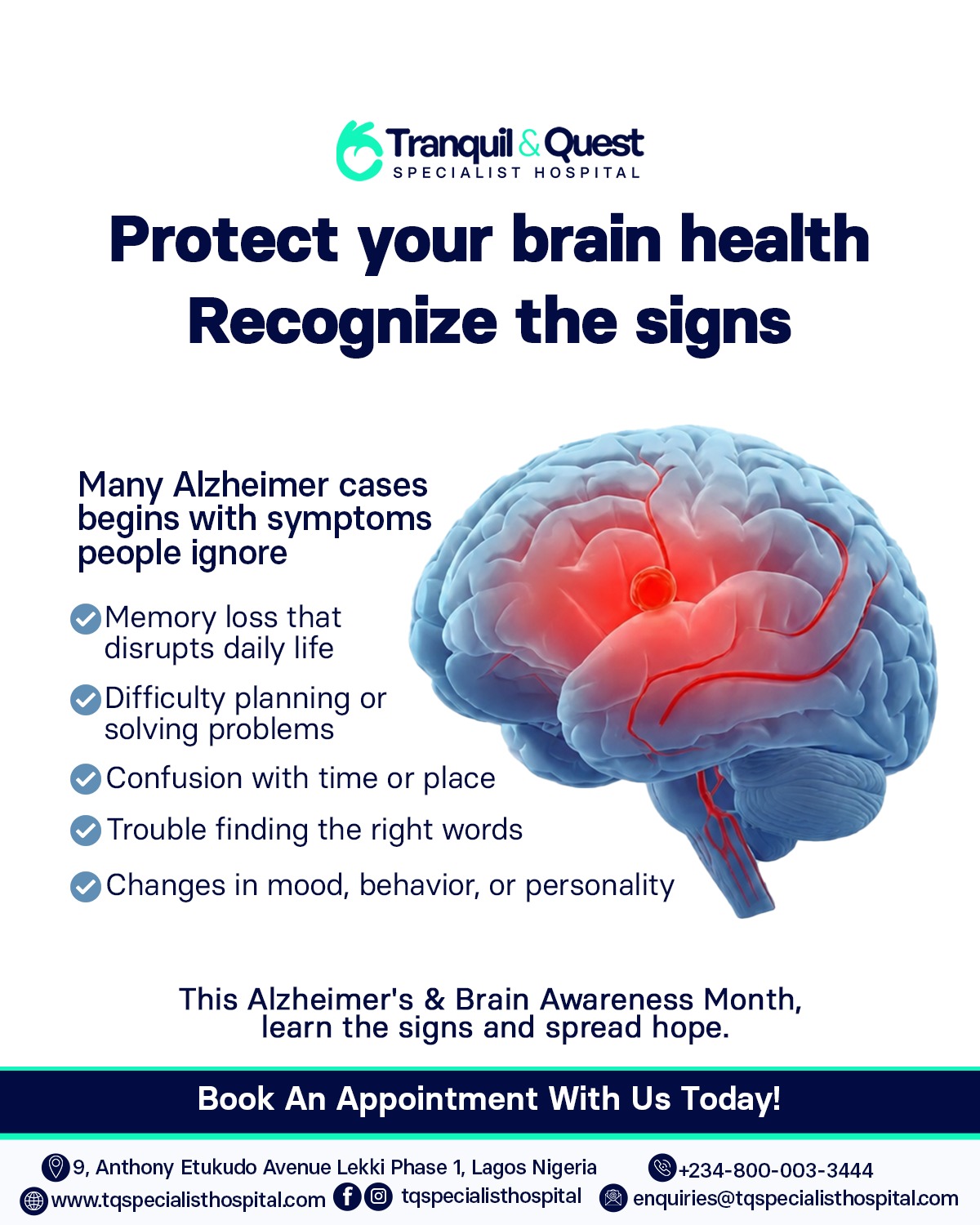
Red Flags: Identifying the Warning Signs
Cognitive decline rarely happens overnight. Understanding how to recognize the baseline indicators can help families seek professional clinical support early:
- Memory Loss That Disrupts Daily Life: Forgetting recently learned information, missing key dates, or repeating the same questions continuously.
- Difficulty Planning or Solving Problems: Experiencing sudden challenges when working with numbers, following a familiar recipe, or managing monthly bills.
- Confusion with Time or Place: Losing track of dates, seasons, or the passage of time, or occasionally forgetting where you are and how you arrived there.
- Trouble Finding the Right Words: Struggling to follow a conversation, stopping mid-sentence, or calling familiar objects by the wrong name.
- Changes in Mood, Behavior, or Personality: Developing signs of confusion, anxiety, suspicion, depression, or sudden frustration when outside of a specific comfort zone.
Proactive Strategies for Brain Longevity
While certain genetic variables cannot be altered, specific lifestyle patterns can actively support your neural architecture. Engaging in daily mental exercises, maintaining strong cardiovascular fitness, and eating an antioxidant-rich diet all foster neuroplasticity. Furthermore, getting quality, restorative sleep ensures your brain can efficiently clear out daily cellular metabolic waste.
If you or a loved one are experiencing persistent cognitive changes, do not wait for the symptoms to worsen. Early screening can help preserve cognitive function and significantly improve long-term outcomes.