


Proactive Maintenance: Health Check-Ups Every Man Needs
Many men view hospital visits as a reactive measure, something reserved exclusively for severe injuries or debilitating pain. However, treating your body like an unmonitored machine until a total system failure occurs is an incredibly high-risk approach to longevity. The most effective variable in modern medicine is not treatment; it is early detection through routine diagnostic screenings.
Many chronic health issues, from high blood pressure to early-stage metabolic disorders, develop silently without causing any overt physical pain or discomfort. Embracing a proactive, scheduled medical checkout strategy allows clinicians to isolate potential risks long before they escalate into clinical emergencies.

The Underlying Triggers of Preventive Wellness
Routine check-ups are not passive appointments; they function as regular, data-driven system diagnostics. Consistently tracking your personal health biomarkers provides several vital clinical advantages:
- The Predictive Biomarker Phase: Standard blood chemistry and metabolic profiling assess internal metrics such as cholesterol, blood sugar, and kidney function, highlighting irregularities before symptoms manifest.
- Vascular Architecture Preservation: Routine blood pressure and cardiovascular screenings help clinicians protect your arterial pathways from silent strain, thereby drastically reducing long-term cardiac risks.
- The Early Treatment Premium: Isolating an issue during a baseline wellness exam opens up non-invasive treatment options that are far more successful than emergency interventions.
Core Components of a Comprehensive Men’s Screening
{01} Cardiovascular & Vital Sign Assessments
Hypertension is frequently dubbed a “silent killer” because it silently damages your arteries without causing noticeable warning signs. Regular blood pressure tracking, paired with an electrocardiogram ($ECG$) if recommended, maps out the exact structural workload of your heart.
- Key Focus: Detecting arterial hypertension, tracking baseline heart rates, mitigating stroke risks.
- Action Metric: Check and document your baseline blood pressure at least once a year.
{02} Comprehensive Metabolic & Blood Chemistry Panels
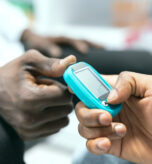
A single morning fasting blood draw provides critical data on your internal organ function. Lipid profiles evaluate your cholesterol levels, while fasting blood glucose tests measure your insulin resistance, helping catch type 2 diabetes early in its course.
- Key Focus: Monitoring liver and kidney function, tracking lipid levels, detecting pre-diabetic indicators.
- Action Metric: Schedule an annual metabolic blood draw after a standard 8 to 12-hour fast.
{03} Integrated Prostate & Colorectal Screenings
As men age, regular cancer screenings become a non-negotiable part of structural health maintenance. Starting in your 40s or 50s, depending on your family history, routine Prostate-Specific Antigen ($PSA$) blood tests and colorectal health evaluations allow for highly treatable early interventions.
- Key Focus: Early identification of prostate irregularities, detection of colorectal changes, and mapping of gastrointestinal health.
- Action Metric: Discuss your specific age-related cancer risk screening timeline with a consultant.
{04} Integrated Behavioral & Neurological Health Tracking
True physical vitality is completely dependent on your psychological and mental well-being. A premium routine check-up includes screening for chronic stress, sleep architecture disruptions, severe anxiety, or hormonal shifts like testosterone decline that directly alter your energy levels and mood.
- Key Focus: Regulating chronic cortisol production, addressing severe insomnia, identifying clinical mood shifts.
- Action Metric: Disclose ongoing sleep disruptions or mood fluctuations transparently during your consultation.
The Risk of Neglecting Your Diagnostic Schedule
Choosing to delay your annual medical evaluations can lead to entirely preventable medical setbacks. Minor physiological imbalances that could easily be corrected through minor dietary or lifestyle modifications can compound into severe, chronic medical challenges over time. Treating your health architecture with the same strict tactical discipline you apply to your professional investments ensures you protect your long-term vitality and livelihood.
Emergency medicine fixes a critical issue after a breakdown, but partnering with an advanced medical facility for regular preventative care teaches you exactly how to live and thrive. Approaching your physical well-being step by step using clinical parameters guarantees a safe path toward long-term longevity.