


Intensive Care Unit (ICU) at TQSH: Specialized Care When Every Moment Matters
Some medical conditions require care beyond what a regular hospital ward can provide. When a patient is critically ill, recovering from a major procedure, or requires continuous monitoring and advanced medical support, Intensive Care Unit (ICU) care may be necessary. At Tranquil & Quest Specialist Hospital (TQSH), our critical care approach centers on close monitoring, timely intervention, specialist coordination, and compassionate support for patients and their families.
The ICU is designed for patients whose condition requires continuous observation and a higher level of medical attention.
What Is an Intensive Care Unit?
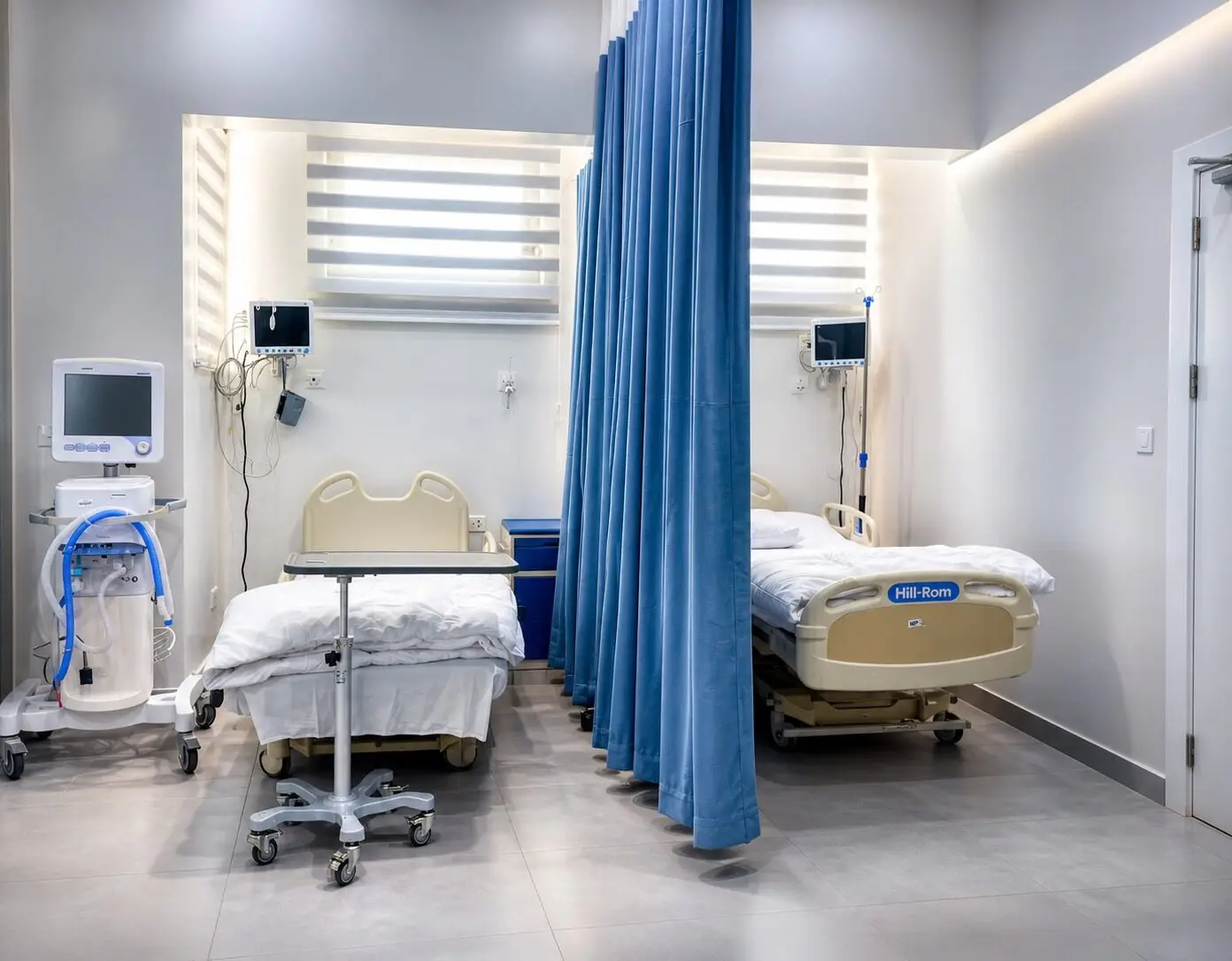
An Intensive Care Unit is a specialized hospital area where patients with serious or potentially life-threatening conditions receive close monitoring and treatment. Unlike a general ward, ICU patients require more frequent observation because their condition may change rapidly. The healthcare team can monitor important aspects of the patient’s health and respond promptly when intervention is required. Depending on the patient’s condition, intensive care may involve monitoring and supporting:
- Breathing and oxygen levels
- Heart rate and rhythm
- Blood pressure
- Body temperature
- Kidney function and urine output
- Fluid and electrolyte balance
- Neurological status
- Response to treatment
The goal is to stabilize the patient, treat the underlying condition, prevent complications, and support recovery.
Who May Need ICU Care?
ICU admission is generally considered when a patient’s condition requires intensive monitoring or medical support that cannot safely be provided in a standard ward. Patients may require intensive care because of:
Severe Medical Conditions: Certain serious illnesses can affect vital organs and require close observation and treatment.
Serious Infections: Severe infections can sometimes cause widespread complications and may require intensive monitoring, medication, fluid management, oxygen support, or other interventions.
Breathing Difficulties: Patients with significant respiratory problems may need close monitoring of oxygen levels and breathing.
Major Surgery: Some patients may need intensive monitoring before, during, or after major surgery, especially when complications are more likely.
Trauma and Serious Injuries: Patients who have experienced significant accidents or injuries may require close observation and coordinated medical care.
Complications During Pregnancy or Childbirth: Certain obstetric emergencies can require intensive monitoring and support for the mother, particularly when serious complications develop.
Post-Operative Monitoring: Following certain complex procedures, a patient may require closer observation before being transferred to a regular ward.
Intensive Monitoring: The Heart of ICU Care
One of the most important features of ICU care is continuous monitoring. Critically ill patients can experience rapid changes in their condition. Regular monitoring allows the healthcare team to identify concerning changes as early as possible. At TQSH, patients requiring intensive care are closely observed, with their clinical condition assessed according to their individual needs. This may allow healthcare professionals to:
- Identify deterioration early
- Monitor the effectiveness of treatment
- Adjust treatment when necessary
- Respond quickly to complications
- Support vital organ function
- Track the patient’s progress toward recovery
A Team-Based Approach to Critical Care
Critical care is rarely the responsibility of one healthcare professional alone. Patients in intensive care may require coordinated input from doctors, nurses, surgeons, anesthetists, specialists, laboratory professionals, physiotherapists, and other members of the healthcare team. At TQSH, our specialist hospital structure supports collaboration between different healthcare professionals when a patient’s condition requires multidisciplinary care. This coordinated approach helps ensure that important aspects of the patient’s condition are considered when making treatment decisions.
ICU Care and Surgical Patients
Patients undergoing major surgery may sometimes require intensive monitoring before or after their procedure. For example, a patient may need closer observation after a complex operation or if they have underlying medical conditions that increase surgical risk. The ICU can provide an environment where patients can be monitored closely during the early stages of recovery. This is especially important because the period immediately after a major procedure may require close monitoring for potential complications.
ICU Support for Emergency Patients
Medical emergencies can sometimes progress to a point where intensive care is necessary. At TQSH, our emergency and urgent care services provide initial assessment and management for patients presenting with acute medical problems. When a patient’s condition requires a higher level of monitoring or critical care, we can initiate the appropriate care pathway. The relationship between emergency care, specialist care, diagnostics, surgery, and intensive care is important in managing critically ill patients. Early recognition and appropriate escalation of care can make a significant difference.
The Role of Diagnostics in Critical Care
Understanding what is happening inside a critically ill patient’s body is essential for making appropriate treatment decisions. Depending on the patient’s condition, investigations may include laboratory tests, imaging, and other diagnostic assessments. TQSH’s access to in-house diagnostic services supports timely investigation and clinical decision-making. This helps the healthcare team monitor the patient’s condition and evaluate how they are responding to treatment.
Supporting Recovery, Not Just Survival
ICU care is not simply about keeping a patient stable. The broader goal is to help the patient recover sufficiently to transition to the next stage of care. As the patient’s condition improves, the healthcare team may gradually reduce certain supports, continue monitoring, and prepare the patient for transfer to a less intensive level of care. Recovery can take time, and every patient’s journey is different. Some patients may improve quickly, while others may require longer periods of intensive medical support.
Compassionate Care for Patients and Families
Critical illness can be frightening, not only for the patient but also for their loved ones. Families may have questions about what is happening, what treatment is being provided, and what recovery might look like. At TQSH, we recognize that communication and compassion are important parts of healthcare.
Our goal is to support patients and their families with clear communication, professionalism, dignity, and respect throughout the care journey.
Why Having ICU Support Matters
A hospital’s ability to provide intensive care can be essential in managing serious medical and surgical conditions. ICU support alongside other hospital services can help create a more coordinated care pathway. At TQSH, our healthcare structure brings together:
- Emergency and urgent care
- Specialist consultations
- Surgical services
- Obstetric and gynecological care
- Diagnostic services
- Inpatient care
- Intensive care support
- Follow-up and recovery services
This integrated approach allows patients to receive care according to the changing needs of their condition.
When Every Moment Matters
Critical illness can develop unexpectedly. In these situations, timely medical attention is extremely important. Symptoms such as severe difficulty breathing, loss of consciousness, severe chest pain, sudden neurological changes, major bleeding, serious injuries, or severe complications from illness or surgery should not be ignored.
Seek emergency medical attention immediately when serious symptoms occur.
Our Commitment to Critical Care
At Tranquil & Quest Specialist Hospital, we understand that critical illness can be one of the most challenging experiences a patient and family can face. We are committed to providing a coordinated healthcare environment where critically ill patients receive close monitoring, specialist attention, appropriate investigations, and supportive care. From emergency assessment to intensive monitoring and eventual recovery, every stage of care matters.
When a patient’s condition is critical, they deserve a healthcare team prepared to respond with expertise, urgency, and compassion.
Conclusion
The Intensive Care Unit plays a vital role in modern healthcare by providing specialized monitoring and treatment for patients with serious medical needs. At TQSH, ICU support forms part of our commitment to providing comprehensive specialist healthcare. Through multidisciplinary collaboration, diagnostic support, emergency services, surgical care, and attentive nursing care, we work to give critically ill patients the best possible opportunity for stabilization and recovery.
When you or your loved one needs a higher level of medical care, TQSH is committed to being there.
Need Medical Assistance?
Tranquil & Quest Specialist Hospital
No. 9 Anthony Etukudo Avenue, Lekki Phase I, Lagos, Nigeria
24/7 Support: 080-0003-3444