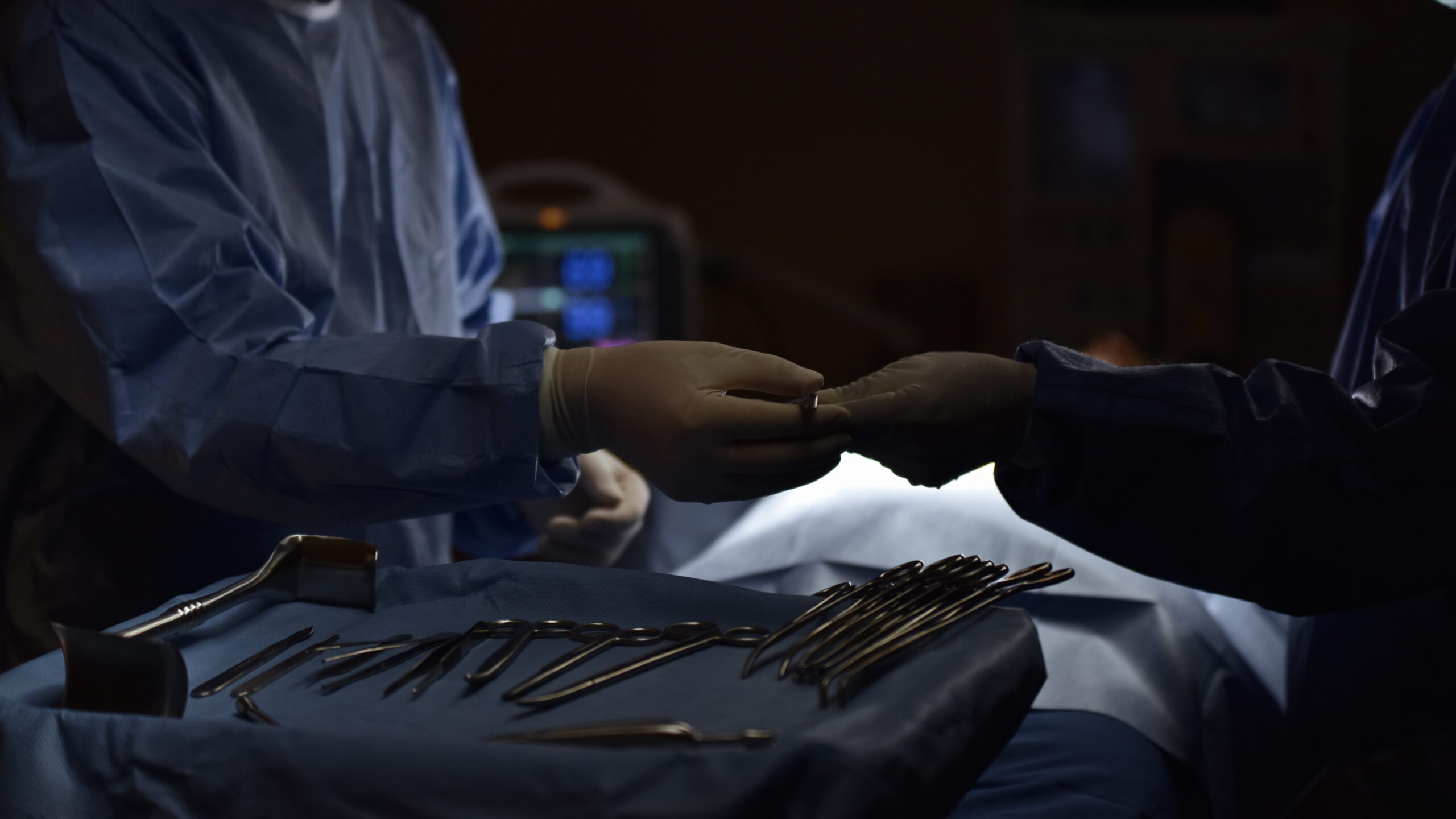



Benefits of Minimally Invasive Surgery You Should Know
For decades, the standard approach to major surgery involved large incisions, significant disruption to surrounding muscle tissue, and a lengthy, painful recovery period inside a hospital ward. However, advancements in modern medical technology have transformed the surgical landscape. Today, many complex internal procedures are performed through techniques known as minimally invasive surgery (MIS).
Using specialized equipment and tiny, high-definition cameras (laparoscopes or arthroscopes), surgeons can now operate through incisions often no larger than a keyhole. This shifting approach means patients no longer have to endure the heavy physical toll of traditional open operations to achieve the exact same, or even superior, clinical results.
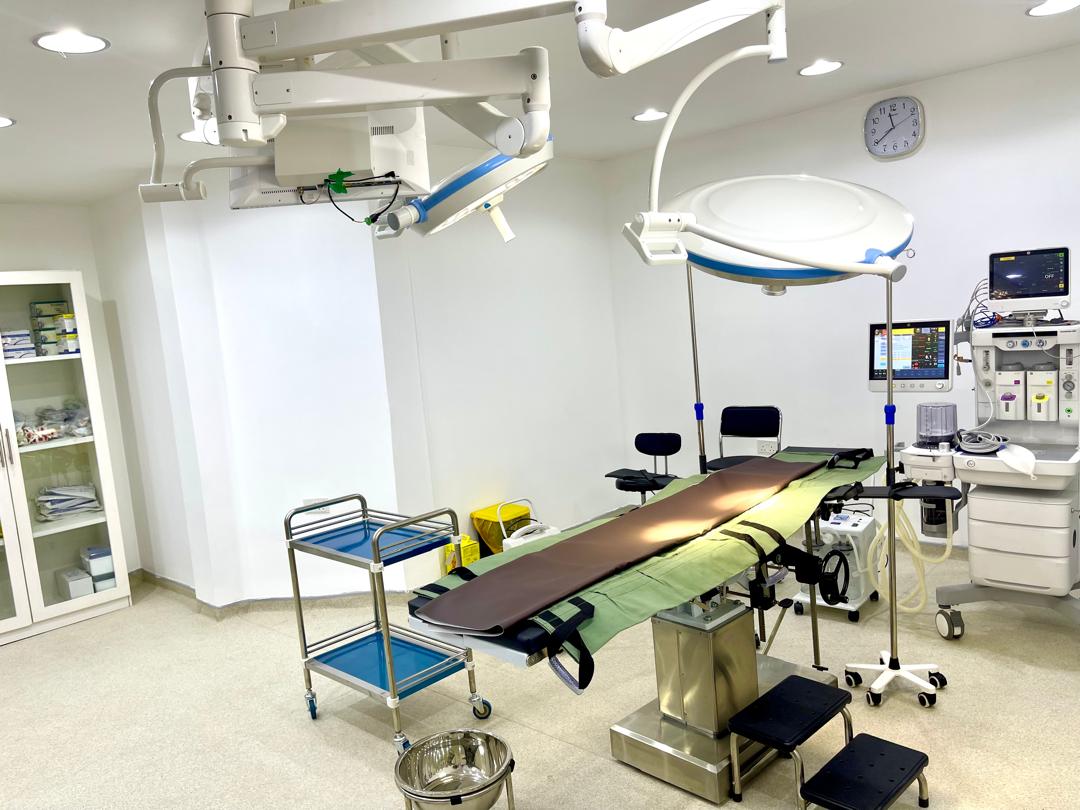
Understanding Minimally Invasive Surgery
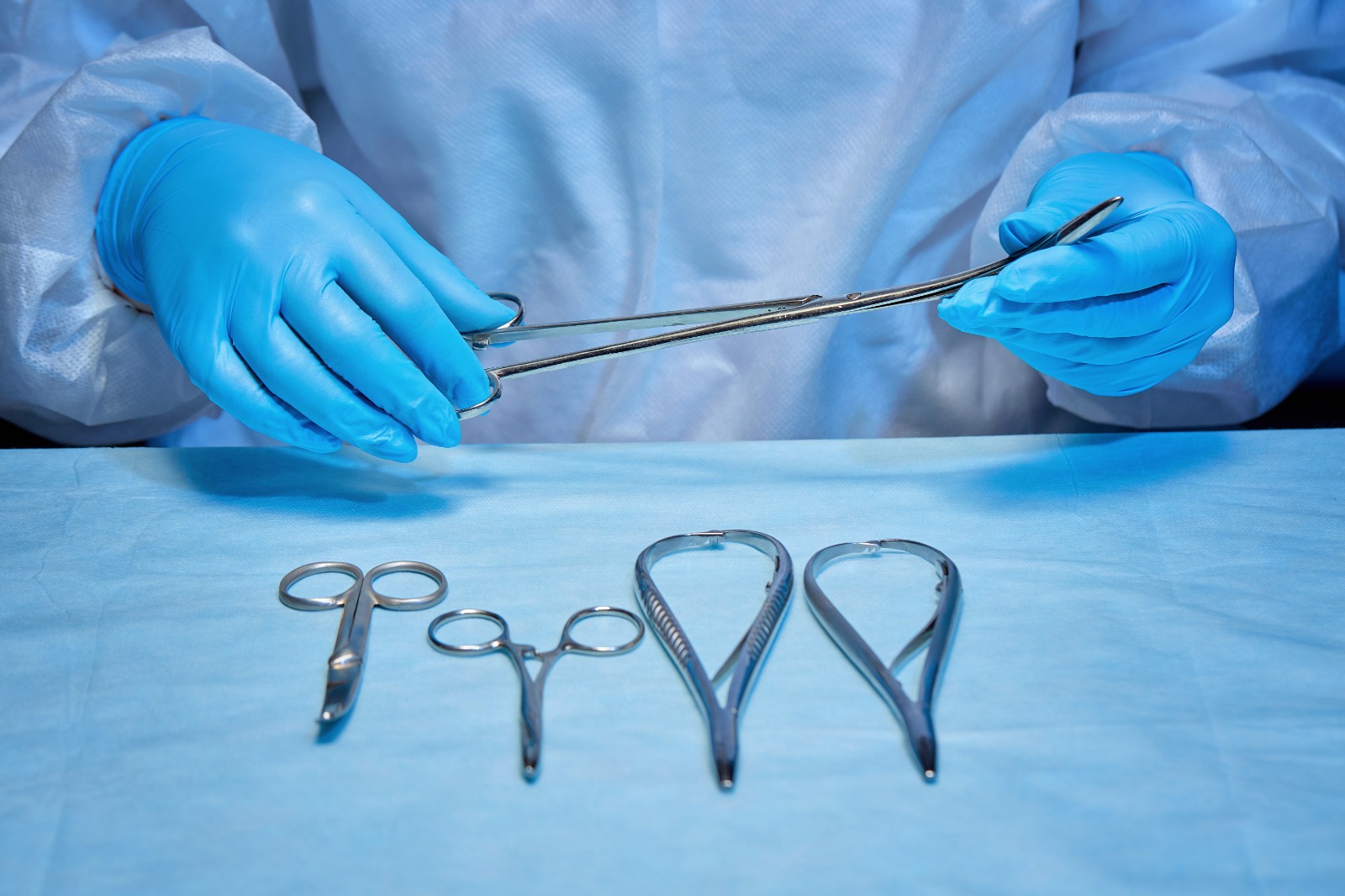
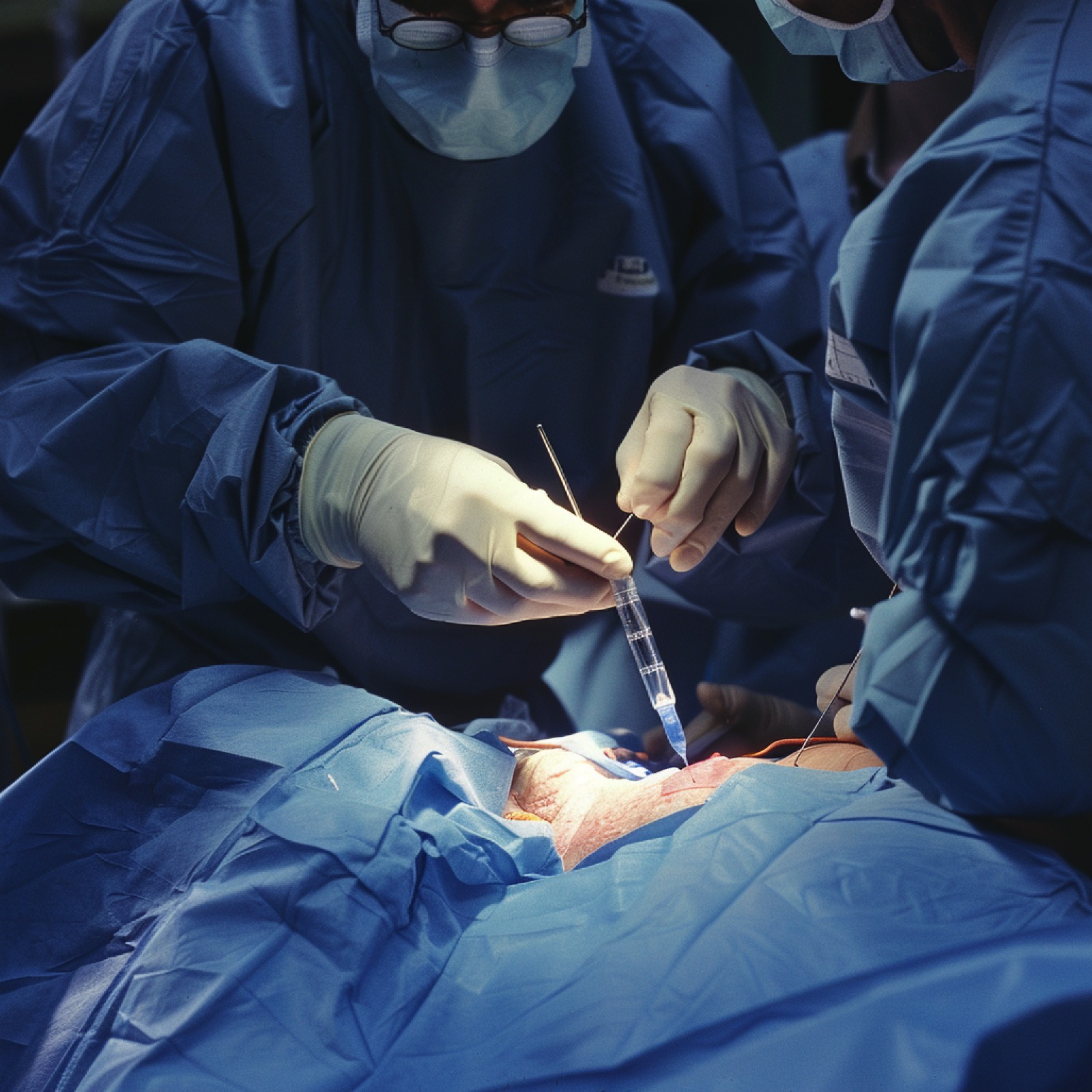
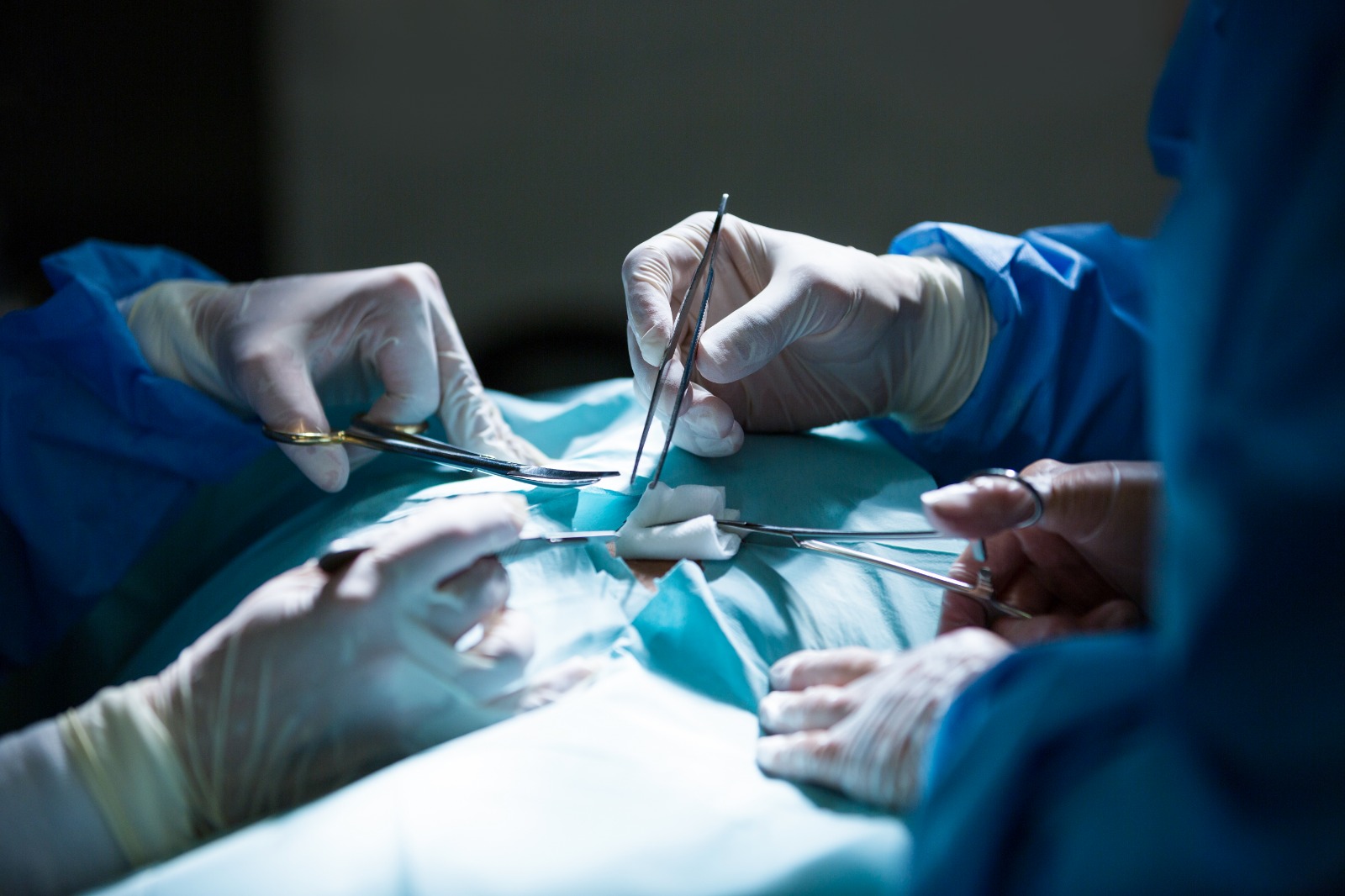
Unlike open surgery, which requires a wide incision to give the surgeon a direct line of sight and manual access to internal organs, minimally invasive surgery relies on precision engineering. The surgeon inserts miniature instruments and a microscopic camera tube through a few tiny punctures. The camera projects a highly magnified, three-dimensional view of the surgical site onto video monitors in the operating theater, allowing the team to navigate internal structures with extreme accuracy.
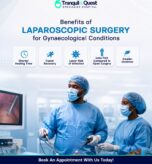
Common applications of this methodology include laparoscopic abdominal surgeries (such as gallbladder removals, appendectomies, and hernia repairs), gynecological procedures (such as fibroid removals), and arthroscopic joint surgeries.
Key Benefits of Minimally Invasive Procedures
Shifting from expansive incisions to keyhole entries yields a compounding chain of biological and practical benefits for the patient.
- Significantly Smaller Scars: Traditional surgeries often leave large, prominent permanent scars across the abdomen or joints. Because minimally invasive incisions require only a few small stitches or surgical tape to close, cosmetic damage is kept to an absolute minimum, healing into barely noticeable marks.
- Reduced Post-Operative Pain and Discomfort: Large open wounds require extensive cutting through skin, fat, and muscle layers. Minimally invasive techniques avoid this deep tissue disruption. Consequently, patients experience drastically less pain during early recovery, substantially lowering their reliance on heavy prescription painkillers and opioids.
- Minimal Blood Loss and Lower Infection Risk: Small incisions expose a much smaller surface area of internal tissue to the external environment, reducing the risk of airborne bacterial contamination. Additionally, precision tools cauterize and seal tiny blood vessels instantly, minimizing blood loss during the procedure.
- Faster Recovery and Shorter Hospital Stays: Open surgery patients frequently spend nearly a week in a hospital bed while monitoring wound healing. In contrast, many minimally invasive procedures are performed on an outpatient basis or require only an overnight stay. Patients mobilize quickly, returning to their routine work, family life, and physical activities within days rather than months.
- Fewer Internal Adhesions and Complications: Large surgical incisions and the manual handling of internal organs can cause tough bands of scar tissue (adhesions) to form inside the body over time, which can lead to chronic pain or digestive blockages. The gentle, localized approach of keyhole surgery minimizes this internal friction.
A Proactive Approach to Your Surgical Plan
Despite the overwhelming benefits, many individuals delay necessary, life-improving procedures out of a deeply ingrained fear of the operating room. It is vital to recognize that modern surgical care is built on safety checklists, high-definition diagnostics, and tissue-preserving methods designed specifically to make your healing journey as smooth as possible. Opting for a necessary surgical intervention under the care of a specialized team is a proactive choice to eliminate chronic pain, protect your vitality, and reclaim your quality of life.
Conclusion
When it comes to modern surgery, fewer incisions translate to more protection, less downtime, and a faster return to peak performance. Understanding what happens during the pre-operative, intra-operative, and post-operative phases removes the clinical anxiety of the unknown, letting you focus completely on a seamless recovery.
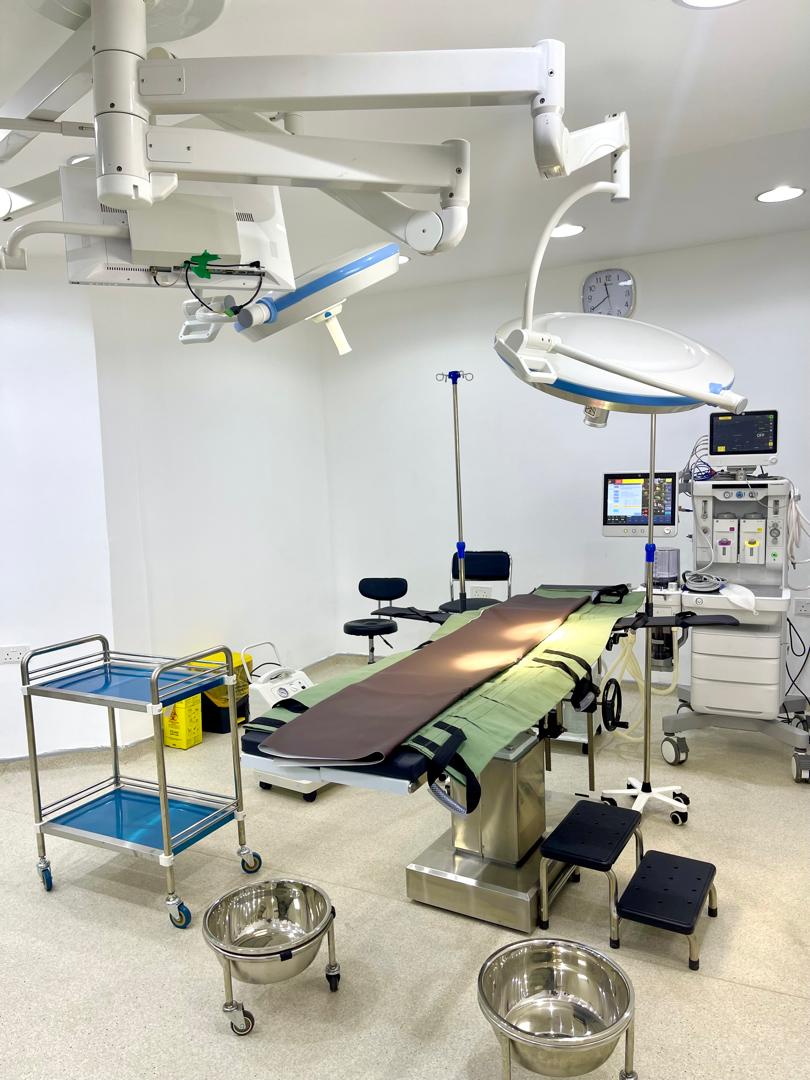
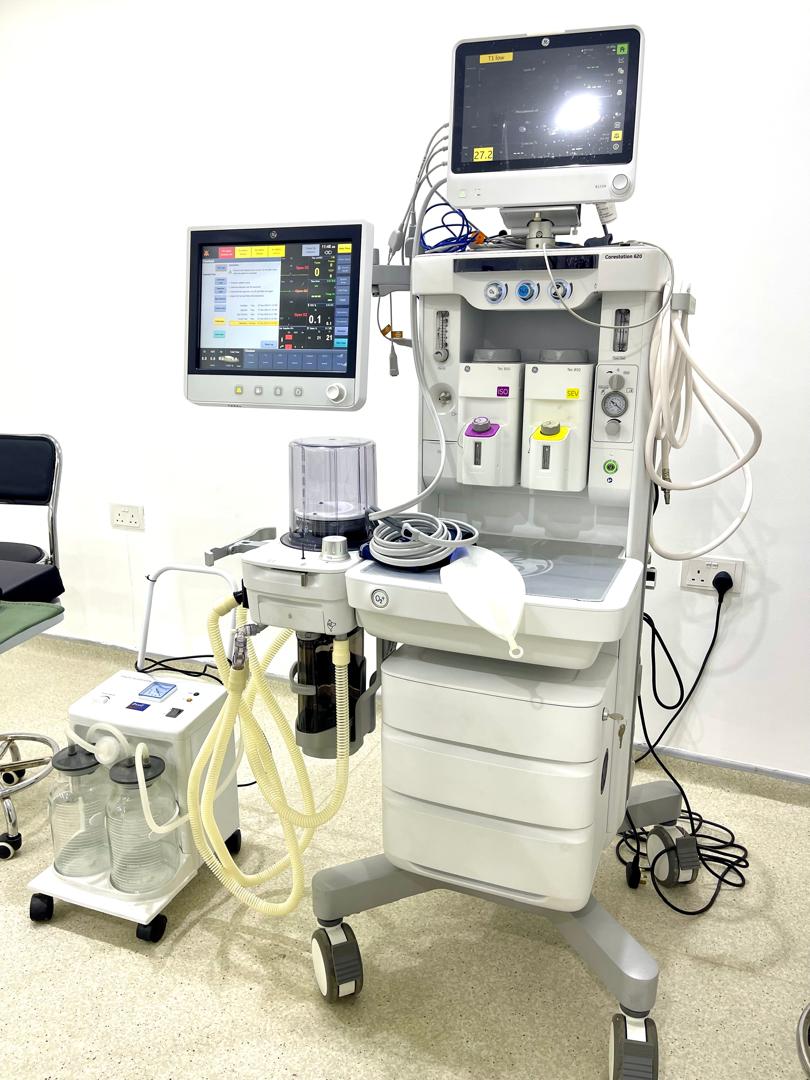
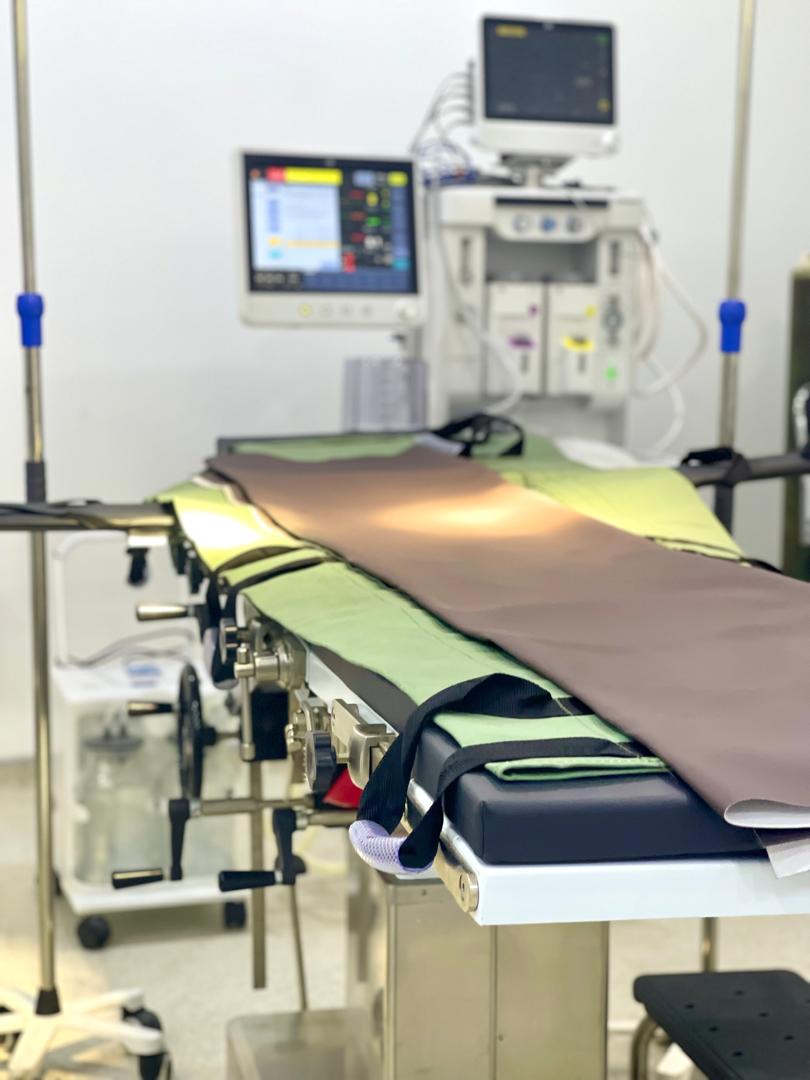
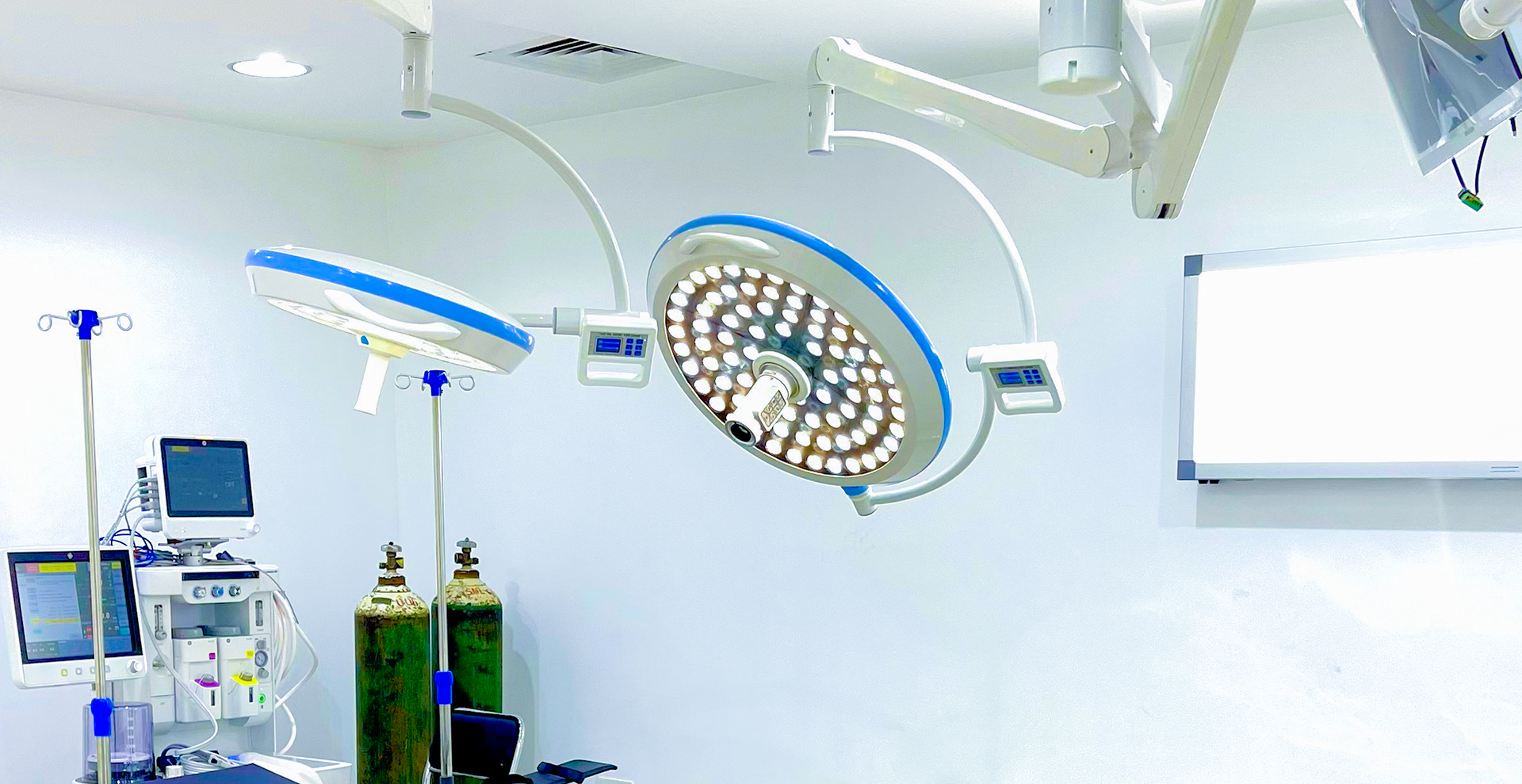
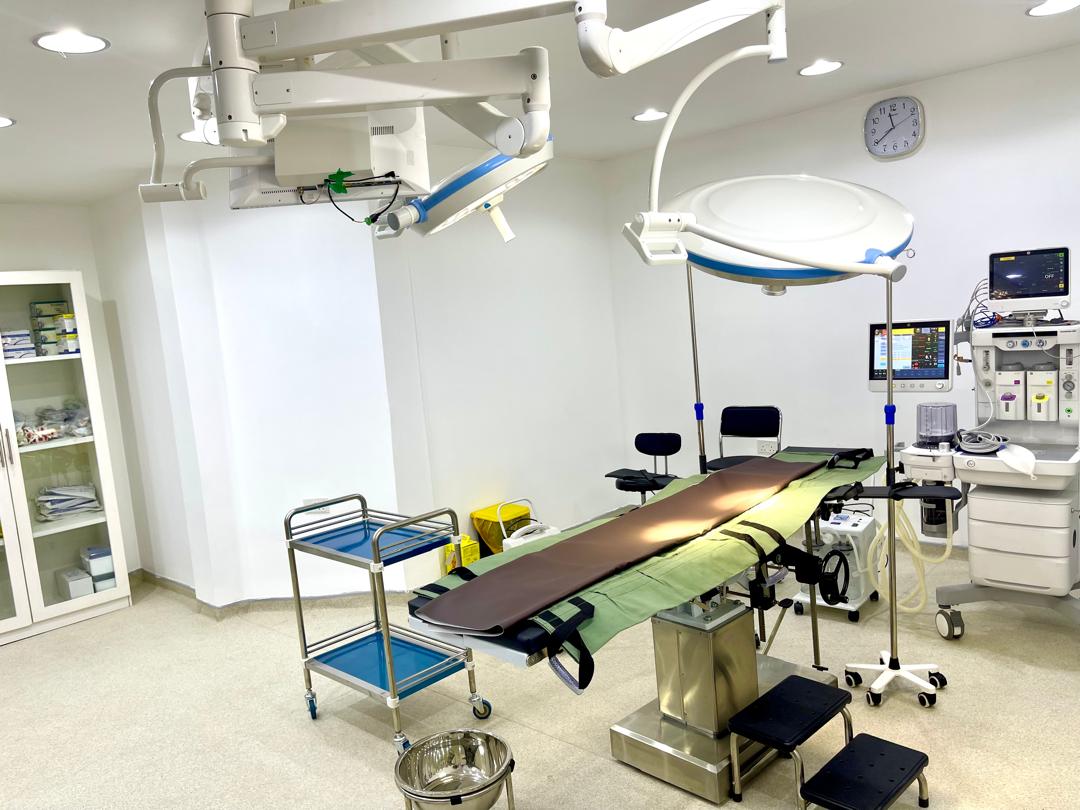
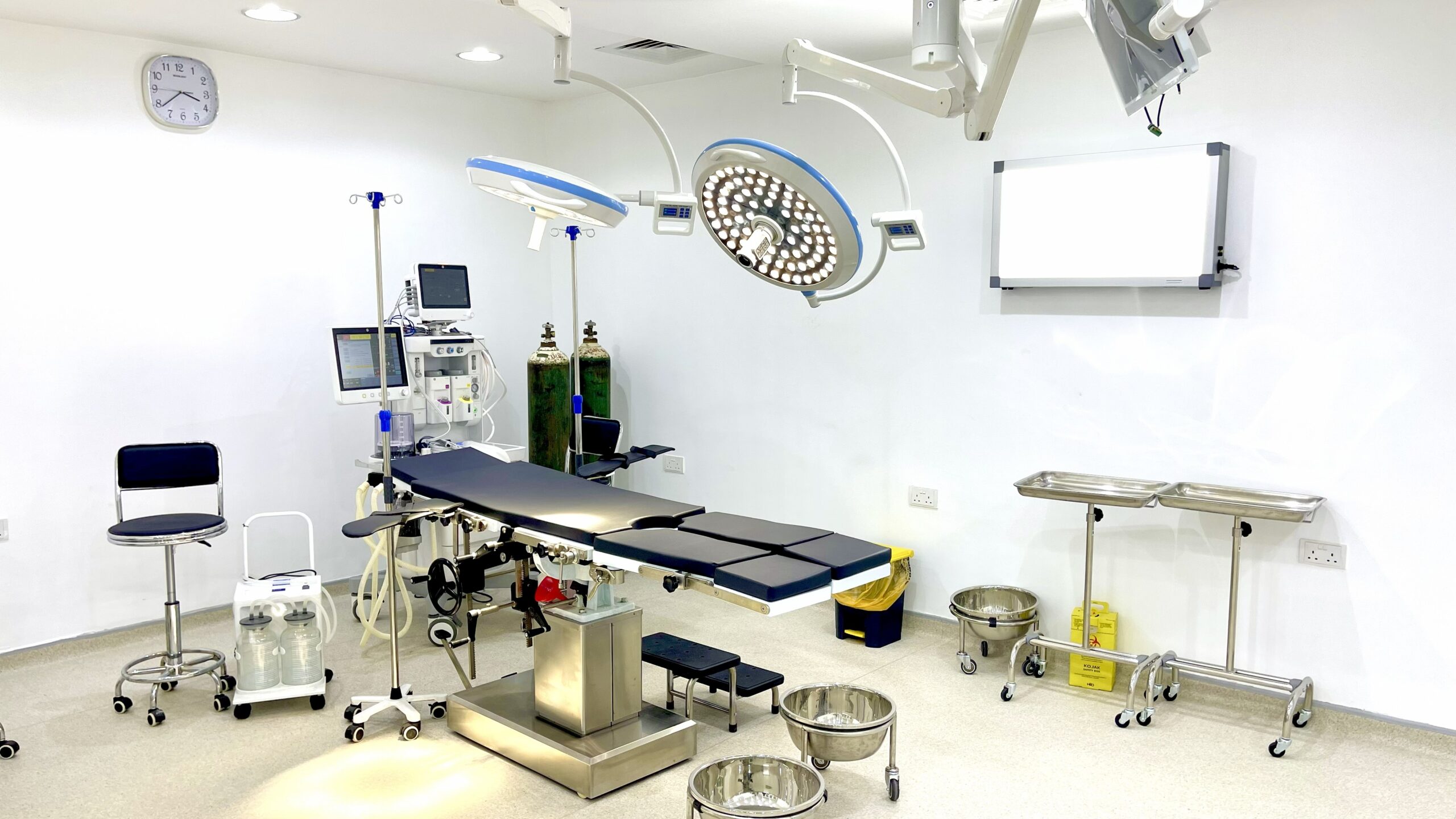
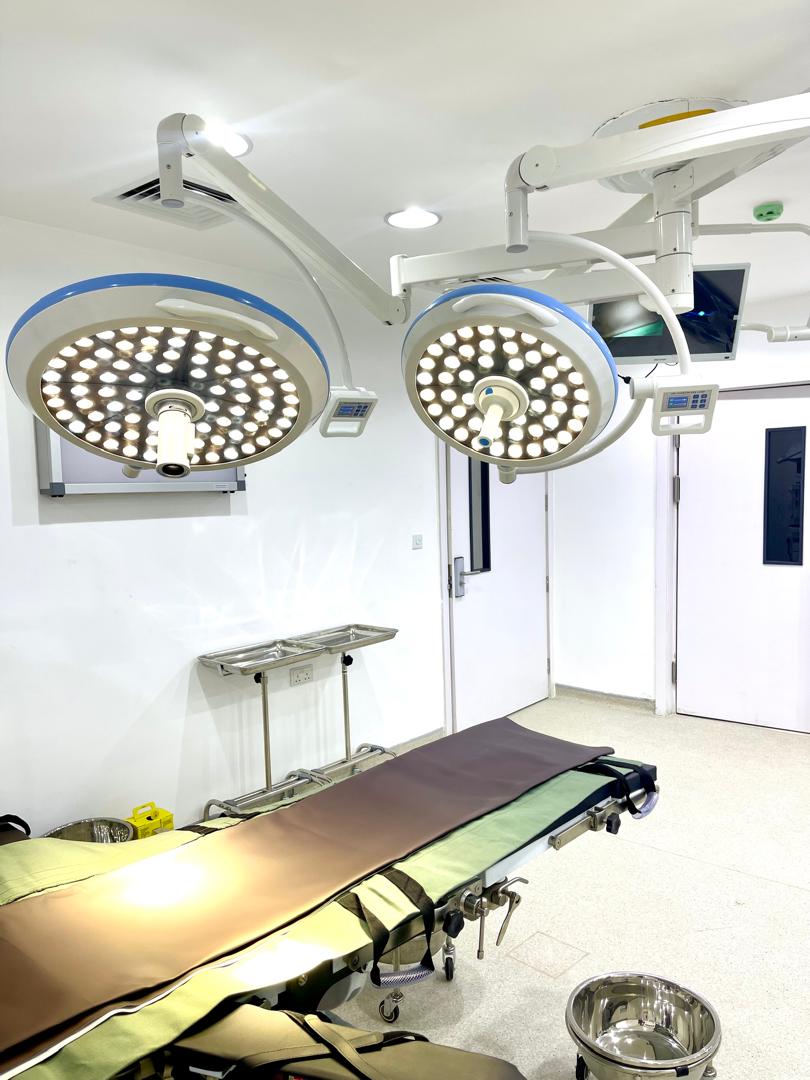
At Tranquil & Quest Specialist Hospital, our surgical and diagnostics support wing combines ultra-sterile, modern operating facilities with advanced minimally invasive equipment and a deeply compassionate clinical team to ensure your surgical experience is safe, comfortable, and centered entirely around your well-being.