


Understanding Antibiotic Resistance: Causes and Effects
Antibiotics have revolutionized modern medicine, saving countless lives by effectively treating bacterial infections. However, the growing threat of antibiotic resistance now poses a serious challenge to global health. At Tranquil and Quest Specialist Hospital (TQSH), we are committed to promoting responsible antibiotic use and the importance of preventive care.
What Is Antibiotic Resistance?
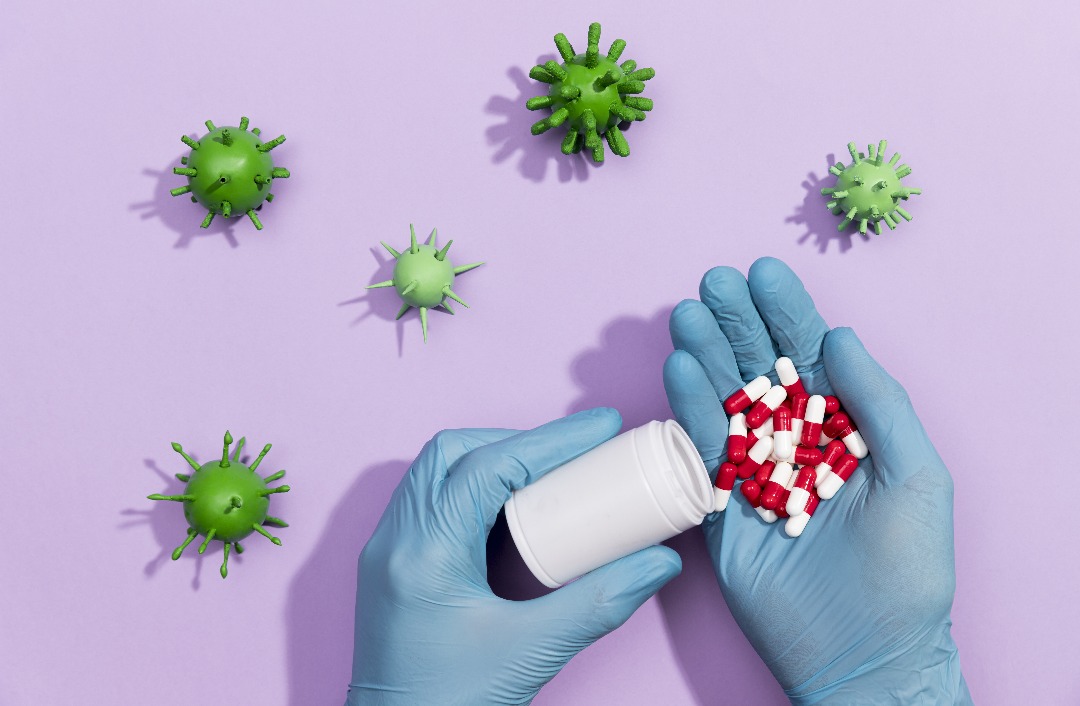
Antibiotic resistance occurs when bacteria evolve and become resistant to the drugs designed to kill them. This means that infections once easily treated with antibiotics are now becoming harder, and sometimes impossible, to cure.
The World Health Organization (WHO) considers antibiotic resistance one of the greatest threats to human health, food security, and development worldwide.
Causes of Antibiotic Resistance
Several human behaviors and systemic issues contribute to the rise of antibiotic-resistant bacteria:
Overuse of Antibiotics
Taking antibiotics unnecessarily, such as for viral infections like colds or flu, gives bacteria more opportunities to adapt and resist.Incomplete Dosage or Misuse
Stopping antibiotics early or skipping doses allows surviving bacteria to develop resistance and spread.Self-Medication and Over-the-Counter Use
Using antibiotics without a doctor’s prescription increases the risk of misuse and inappropriate drug selection.Use in Livestock and Agriculture
Overuse of antibiotics in animal farming contributes to resistant bacteria that can spread to humans through food and the environment.Poor Infection Control and Hygiene
Lack of proper sanitation and infection control in healthcare and community settings accelerates the spread of resistant bacteria.
Effects of Antibiotic Resistance
The impact of antibiotic resistance is far-reaching and can affect individuals, healthcare systems, and entire communities:
- Longer illnesses and hospital stays
- Increased medical costs and higher treatment failure rates
- Limited treatment options for severe infections
- Higher mortality rates from common infections
If antibiotic resistance continues to rise, routine medical procedures such as surgeries, chemotherapy, and childbirth could become far more dangerous due to infection risks.
“Antibiotic resistance is not just a medical issue, it’s a global crisis driven by human behavior. At Tranquil and Quest Specialist Hospital, we advocate responsible antibiotic use and continuous public education to preserve the effectiveness of these life-saving drugs.”
Medical Director, TQSH
How to Help Prevent Antibiotic Resistance
Everyone has a role to play in combating antibiotic resistance:
- Use antibiotics only when prescribed by a qualified doctor.
- Always complete your full dose — even if you start feeling better.
- Never share or reuse leftover antibiotics.
- Maintain good hygiene — wash your hands regularly to prevent infections.
- Get vaccinated to reduce the need for antibiotics in the first place.
Takeaway
Antibiotic resistance threatens our ability to treat common infections effectively, but awareness and responsible action can make a difference. By using antibiotics wisely and practicing preventive healthcare, we can protect ourselves and future generations.
At Tranquil and Quest Specialist Hospital, our experts are dedicated to providing safe, evidence-based treatment while educating patients on proper medication use and infection prevention.
Visit TQSH today for expert consultation and guidance on safe antibiotic use.