


Your Heart Health Action Plan
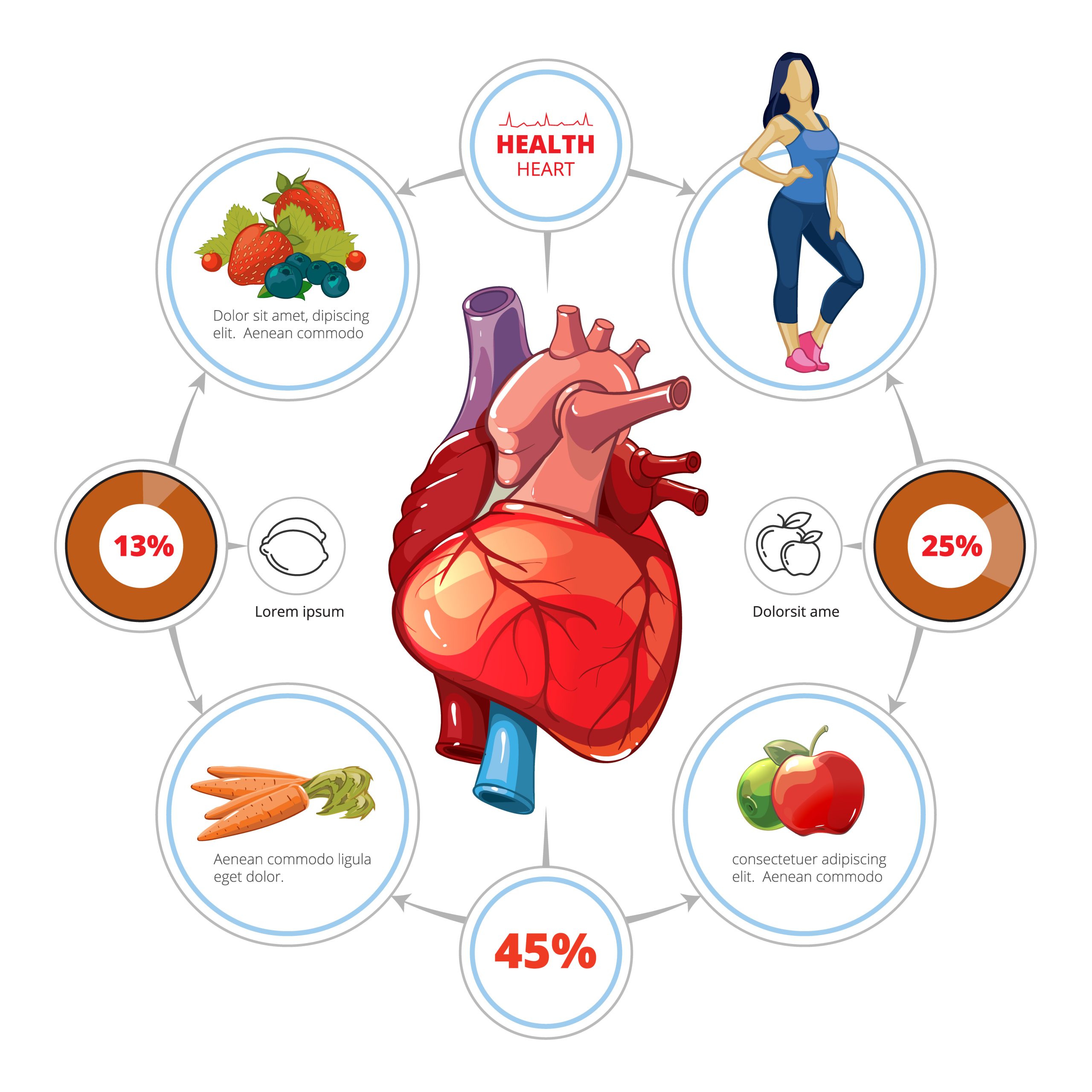
Your heart is one of the most important organs in your body, working tirelessly to pump blood and deliver oxygen and nutrients to every part of your system. However, many people only start paying attention to their heart health when problems arise. Creating a heart health action plan can help you stay proactive, reduce risks, and maintain a healthy lifestyle. At Tranquil and Quest Specialist Hospital (TQSH) in Lekki, Lagos, we encourage individuals and families to prioritize preventive healthcare and adopt habits that support a strong and healthy heart.

Why Heart Health Matters
Heart disease is one of the leading causes of death globally, but many cases are preventable. By taking simple but consistent steps, you can significantly reduce your risk of cardiovascular diseases such as heart attack, stroke, and high blood pressure.
A heart health action plan helps you:
- Monitor your cardiovascular health
- Identify risk factors early
- Adopt healthy lifestyle habits
- Prevent serious heart-related conditions
Step 1: Schedule Regular Heart Check-Ups
Routine heart screenings are essential for detecting early warning signs of heart disease. Regular check-ups allow healthcare professionals to monitor your blood pressure, cholesterol levels, and overall heart function.
Screenings may include:
- Blood pressure tests
- Cholesterol and lipid profile checks
- Blood sugar testing
- Electrocardiogram (ECG)
- Heart imaging when necessary
Early detection can help prevent complications and improve treatment outcomes.
Step 2: Maintain a Heart-Healthy Diet
What you eat plays a major role in your heart health. A balanced diet helps maintain healthy cholesterol levels, blood pressure, and body weight.
Heart-friendly dietary habits include:
- Eating plenty of fruits and vegetables
- Choosing whole grains over refined grains
- Reducing salt intake
- Limiting sugary drinks and processed foods
- Choosing lean proteins such as fish and poultry
- Including healthy fats from sources like nuts and olive oil
Healthy eating habits support long-term cardiovascular health.
Step 3: Stay Physically Active
Regular physical activity strengthens the heart and improves circulation. Exercise also helps control weight, reduce stress, and lower blood pressure.
Experts recommend at least 30 minutes of moderate physical activity most days of the week. Activities may include:
- Walking or jogging
- Cycling
- Swimming
- Aerobic exercises
- Light strength training
Consistency is more important than intensity.
Step 4: Manage Stress Effectively
Chronic stress can negatively impact heart health by increasing blood pressure and encouraging unhealthy habits such as overeating or smoking.
Healthy stress management strategies include:
- Meditation and relaxation techniques
- Deep breathing exercises
- Engaging in hobbies
- Maintaining social connections
- Getting enough rest
Taking time to relax helps maintain both mental and cardiovascular well-being.
Step 5: Avoid Harmful Habits
Certain lifestyle habits can significantly increase the risk of heart disease.
For better heart health:
- Avoid smoking and tobacco use
- Limit alcohol consumption
- Reduce intake of highly processed foods
- Maintain a healthy body weight
Implementing these changes can significantly reduce cardiovascular risk.
Step 6: Get Enough Quality Sleep
Sleep is essential for heart health. Poor sleep patterns have been linked to high blood pressure, obesity, and other cardiovascular conditions.
Adults should aim for 7–8 hours of quality sleep each night to support optimal heart function and overall health.
Partner with Healthcare Professionals
Working with healthcare professionals ensures that your heart health plan is personalized to your needs. Regular consultations enable doctors to assess risk factors and recommend the most appropriate preventive strategies.
At Tranquil and Quest Specialist Hospital, our medical team provides comprehensive heart health evaluations, preventive care, and expert guidance to help patients live healthier lives.
Take Charge of Your Heart Health Today
Your heart health action plan does not require drastic changes, small, consistent habits can lead to significant improvements over time. Prioritizing preventive care, healthy living, and regular medical check-ups can help protect your heart for years to come.