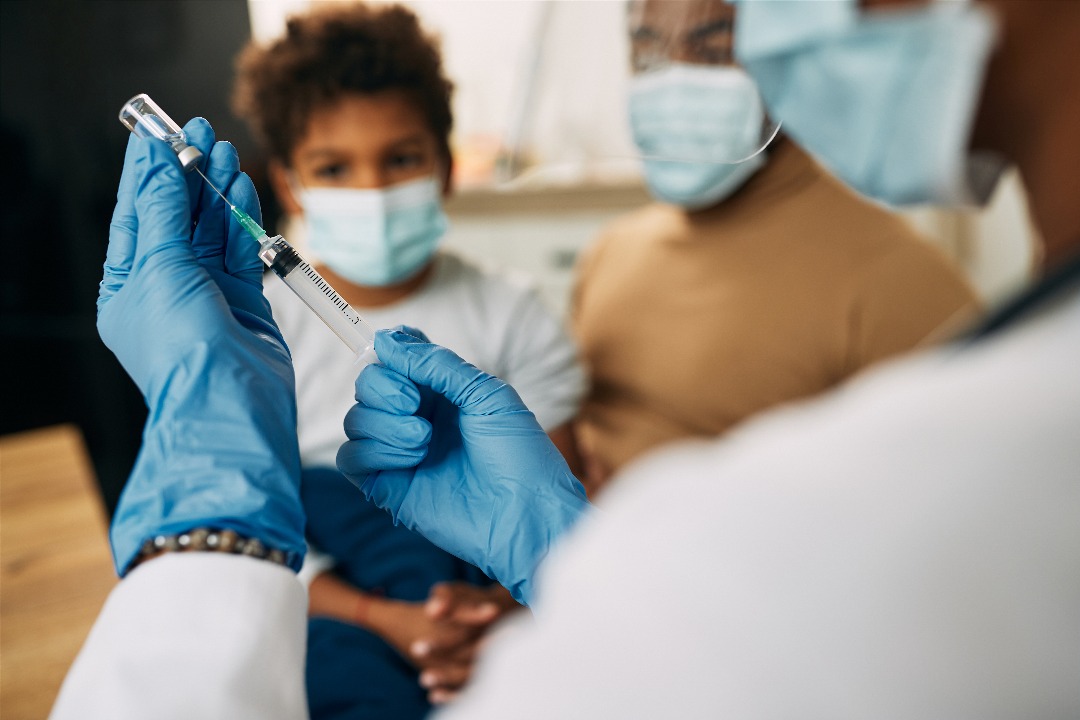
Protect Your Loved Ones and Strengthen Community Immunity

Understanding The Benefits of Vaccination for Adults and Children

Vaccinations are one of the most effective tools in modern medicine for preventing diseases, protecting lives, and promoting community health. While childhood immunization is well-known and widely practiced, vaccinations are equally important for adults to maintain long-term protection and prevent the spread of infectious diseases.

Why Vaccination Matters

Vaccines prepare the immune system to fight infections by introducing a harmless component of the pathogen (virus or bacteria) that stimulates the body’s defense mechanisms. This process helps the immune system recognize and combat future exposures to the disease effectively.

Benefits of Vaccination for Children
  1. Prevention of deadly diseases: Vaccines protect children from life-threatening illnesses such as measles, polio, and whooping cough.

  2. Healthy growth and development: Immunized children are more likely to attend school regularly and thrive physically and mentally.

  3. Reduced healthcare costs: Preventing illness through vaccination saves families from medical expenses and hospital visits.

  4. Community protection: When children are vaccinated, they help protect those who cannot be immunized due to medical conditions—a concept known as herd immunity.

Benefits of Vaccination for Adults
  1. Continued protection: Immunity from certain childhood vaccines can fade, so adults need booster doses (e.g., tetanus or influenza vaccines).

  2. Prevention of chronic complications: Vaccines such as the flu and pneumonia vaccines are essential for individuals with chronic conditions like diabetes or heart disease.

  3. Reduced transmission: Adults who are vaccinated help prevent the spread of diseases to infants, elderly family members, and vulnerable individuals.

Community Immunity: A Shared Responsibility

Vaccination not only protects individuals but also safeguards entire communities. When a significant portion of the population is immunized, infectious diseases struggle to spread, protecting everyone—especially those who are immunocompromised or too young for vaccines.