


Understanding Kidney Function and Why It Matters
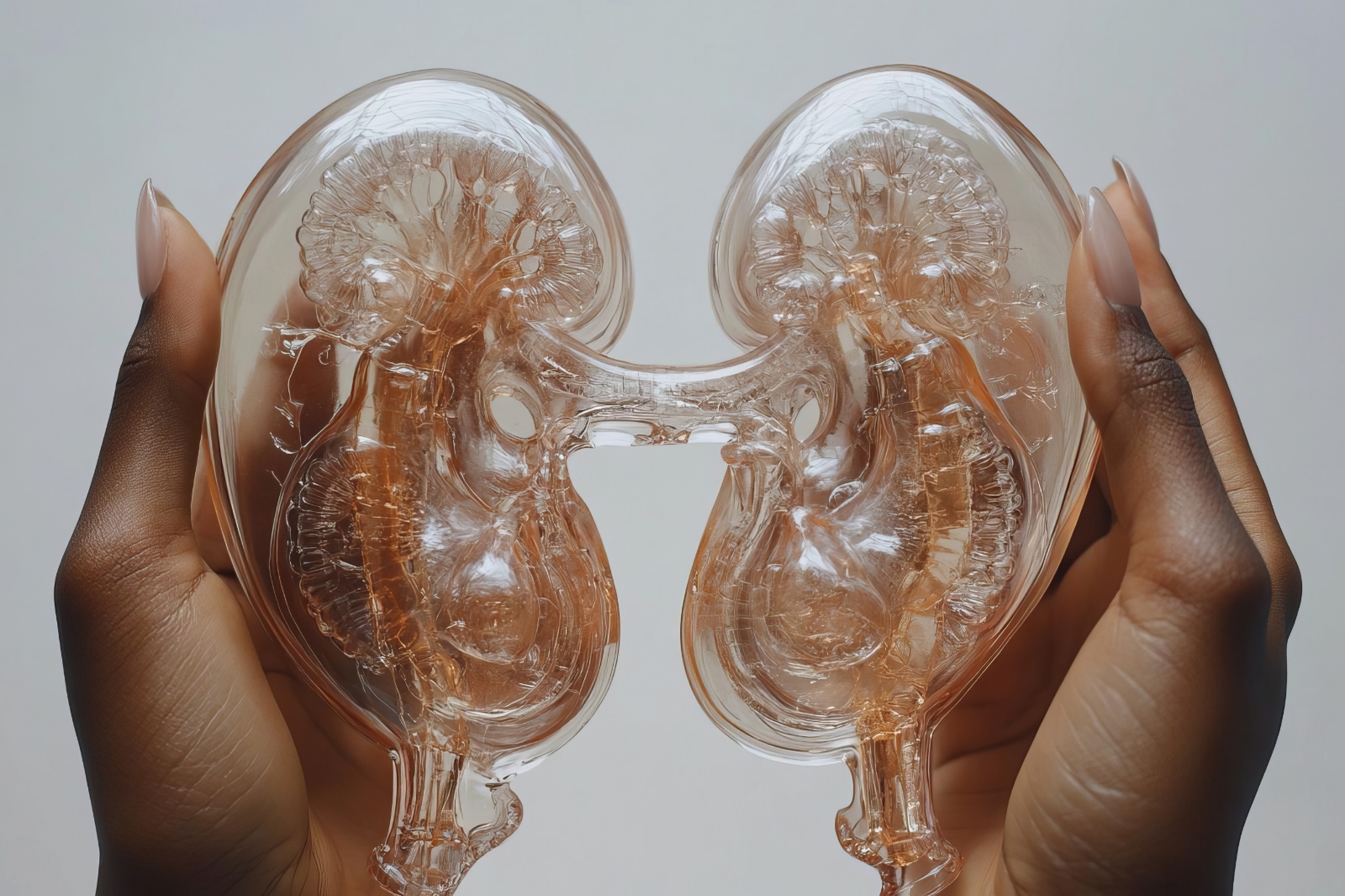
The kidneys are two bean-shaped organs located on either side of the spine, just below the rib cage. Although relatively small, they perform essential functions that keep the body healthy and balanced. Every day, your kidneys work tirelessly to filter waste, regulate fluids, and maintain important chemical balances in the body. Understanding how the kidneys function and why they matter can help you take better care of your health and prevent serious conditions such as kidney disease.
At Tranquil and Quest Specialist Hospital (TQSH) in Lekki, Lagos, we emphasize preventive healthcare and encourage regular medical check-ups to help detect kidney problems early.
What Do the Kidneys Do?
The kidneys play several critical roles in maintaining overall health. Their primary function is to filter blood and remove waste products from the body through urine.
Key functions of the kidneys include:
1. Filtering Waste and Toxins: The kidneys remove waste products and excess substances from the blood, which are then excreted as urine.
2. Balancing Fluids in the Body: They regulate the amount of water in the body, ensuring proper hydration and fluid balance.
3. Controlling Blood Pressure: The kidneys help regulate blood pressure by managing fluid levels and releasing hormones that influence blood vessel function.
4. Maintaining Electrolyte Balance: Electrolytes such as sodium, potassium, and calcium are essential for nerve and muscle function. The kidneys help maintain the right balance of these minerals.
5. Supporting Red Blood Cell Production: The kidneys produce a hormone called erythropoietin, which stimulates the production of red blood cells in the bone marrow.
Why Kidney Health Matters
Healthy kidneys are vital for maintaining the body’s internal balance. When kidney function declines, waste products can accumulate in the blood, leading to serious health complications.
Poor kidney health can contribute to:
- High blood pressure
- Heart disease
- Anemia
- Bone disease
- Fluid retention and swelling
- Chronic kidney disease (CKD)
Early detection and proper management can help slow or prevent kidney damage.
Common Causes of Kidney Disease
Several conditions and lifestyle factors can affect kidney function.
Common causes include:
- Diabetes
- High blood pressure
- Chronic infections
- Kidney stones
- Obesity
- Smoking
- Certain medications taken excessively
- Family history of kidney disease
Managing these risk factors can help protect kidney health.
Warning Signs of Kidney Problems
Kidney disease can develop slowly, and symptoms may not appear until the condition becomes advanced. However, some warning signs may include:
- Persistent fatigue
- Swelling in the legs, ankles, or feet
- Changes in urination patterns
- Foamy or bloody urine
- Difficulty concentrating
- Shortness of breath
- High blood pressure
If you experience these symptoms, it is important to consult a healthcare professional.
Tips for Keeping Your Kidneys Healthy
Taking care of your kidneys involves adopting healthy lifestyle habits.
Consider the following tips:
- Drink enough water daily
- Maintain a balanced diet low in excess salt and processed foods
- Monitor blood pressure regularly
- Manage blood sugar levels if you have diabetes
- Exercise regularly
- Avoid excessive use of painkillers or medications without medical supervision
- Schedule routine medical check-ups
Preventive care is one of the most effective ways to maintain kidney health.
Kidney Care at TQSH
At Tranquil and Quest Specialist Hospital, our medical team provides comprehensive diagnostic and laboratory services to evaluate kidney health and detect potential problems early.
Our services include:
- Kidney function tests
- Blood pressure monitoring
- Laboratory screening
- Specialist consultations
- Personalized treatment plans
Early diagnosis and timely medical care can significantly improve outcomes for individuals with kidney conditions.
Protect Your Kidneys, Protect Your Health
Your kidneys play a vital role in keeping your body functioning properly. Understanding their importance and taking steps to maintain kidney health can help prevent serious complications and improve your overall well-being.
If you are experiencing symptoms or have risk factors for kidney disease, consider scheduling a health check-up.