


Managing High Blood Pressure Effectively
High blood pressure (hypertension) is often called the “silent killer” because it usually has no obvious symptoms, yet it significantly increases the risk of heart disease, stroke, kidney problems, and other serious conditions.
The good news? It can be effectively managed with the right approach.
What Is High Blood Pressure?
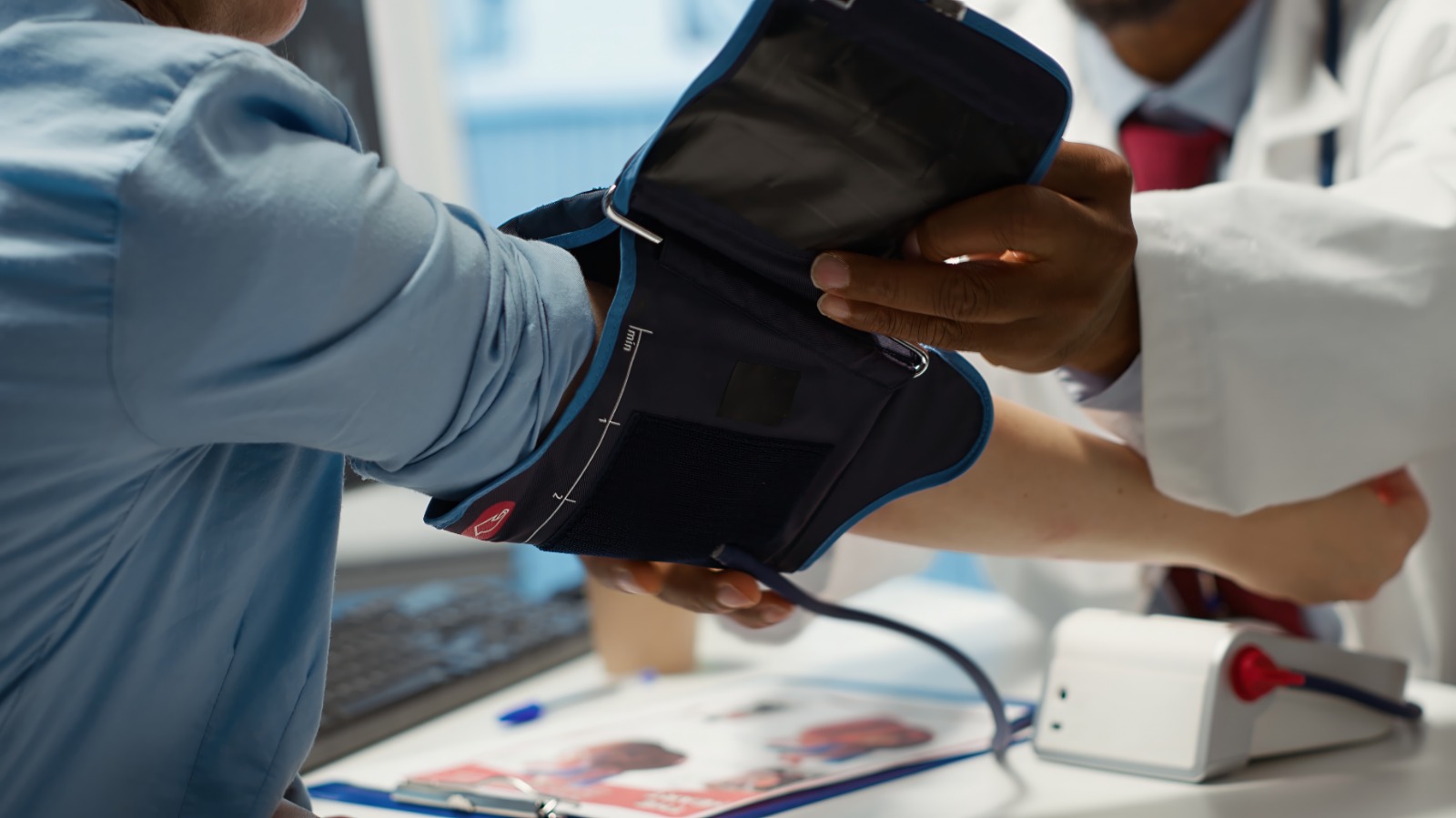
Blood pressure measures the force of blood pushing against your artery walls.
Blood Pressure Categories
- Normal: Around 120/80 mmHg
- Elevated: 120–129 / less than 80
- High (Hypertension): 130/80 mmHg or higher
If left uncontrolled, hypertension can damage your heart, brain, kidneys, and blood vessels over time.
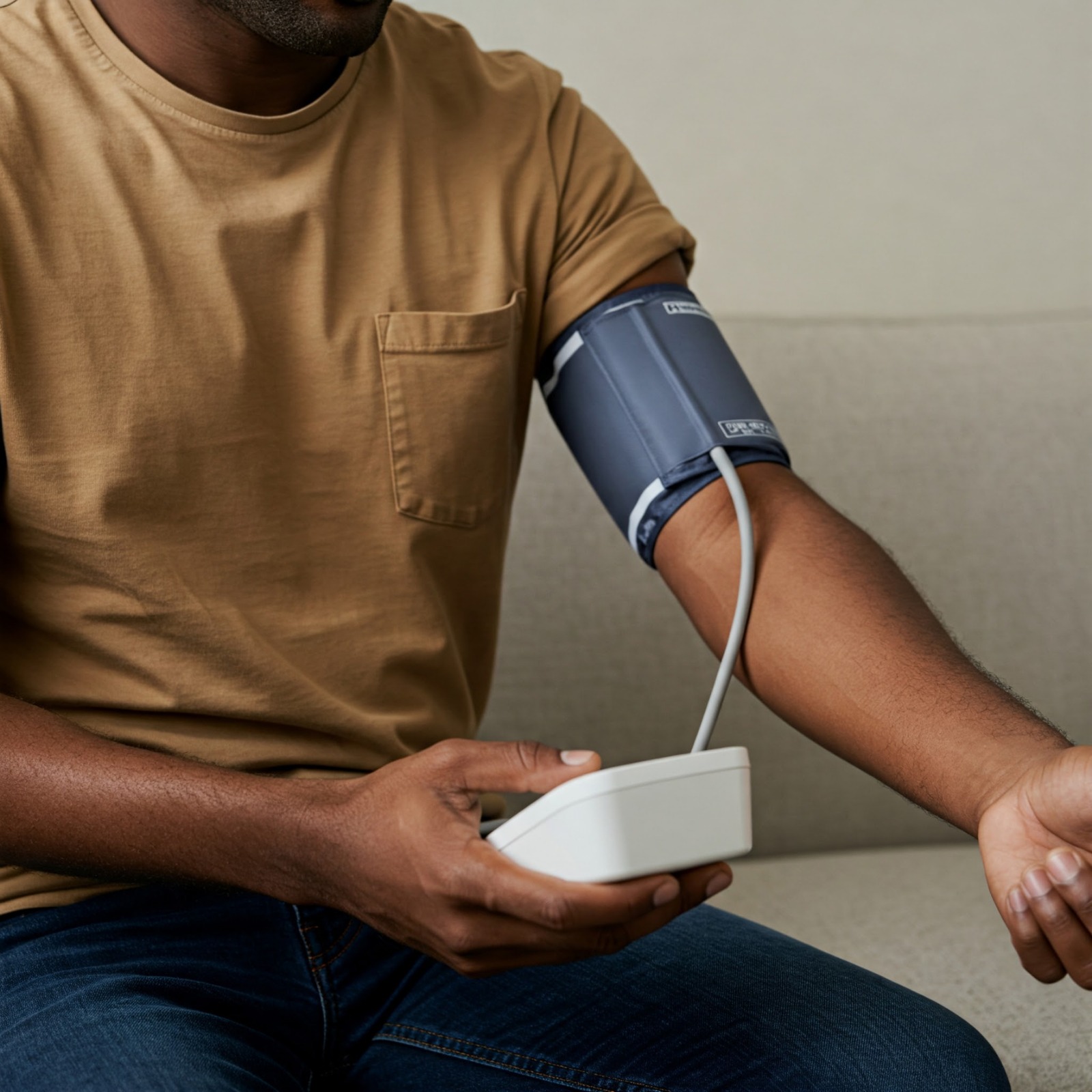
1. Monitor Your Blood Pressure Regularly
Regular monitoring helps you:
Why Monitoring Matters
- Track progress
- Detect dangerous spikes early
- Understand how lifestyle changes are working
If you have hypertension, your doctor may recommend checking it at home in addition to clinic visits.
2. Reduce Salt Intake
Too much sodium causes the body to retain water, increasing blood pressure.
Practical Tips
- Avoid adding extra salt to meals
- Reduce processed and packaged foods
- Choose fresh vegetables and fruits
- Check food labels for sodium content
For many people, reducing salt alone can significantly lower blood pressure.
3. Maintain a Healthy Weight
Being overweight forces your heart to work harder. Losing even 5–10% of your body weight can lead to noticeable improvements in blood pressure levels.
Focus On
- Balanced meals
- Portion control
- Regular physical activity
4. Exercise Regularly
Physical activity strengthens the heart, allowing it to pump blood more efficiently.
Recommended Routine
- At least 30 minutes of moderate exercise
- 5 days a week
Walking, cycling, swimming, and dancing are excellent options.
5. Limit Alcohol and Stop Smoking
Why It Matters
- Excess alcohol raises blood pressure
- Smoking damages blood vessels and increases the risk of heart disease
Quitting smoking and reducing alcohol intake can significantly improve cardiovascular health.
6. Manage Stress
Chronic stress contributes to elevated blood pressure.
Healthy Stress-Relief Options
- Deep breathing exercises
- Meditation or prayer
- Adequate sleep (7–8 hours nightly)
- Taking breaks from work
Healthy coping mechanisms protect both your mental and heart health.
7. Take Prescribed Medications as Directed
If lifestyle changes are not enough, your doctor may prescribe medication.
Important Reminders
- Take it exactly as prescribed
- Avoid skipping doses
- Attend follow-up appointments
Never stop medication without medical advice.
When to See a Doctor
Seek medical attention if you experience:
Warning Signs
- Severe headaches
- Chest pain
- Shortness of breath
- Vision changes
- Blood pressure readings consistently above 140/90 mmHg
Final Thoughts
High blood pressure is manageable, and in many cases, preventable. With consistent monitoring, healthy lifestyle choices, and proper medical care, you can protect your heart and live a healthier life.