


Blood Pressure Checks: How Often Should You Get Tested?
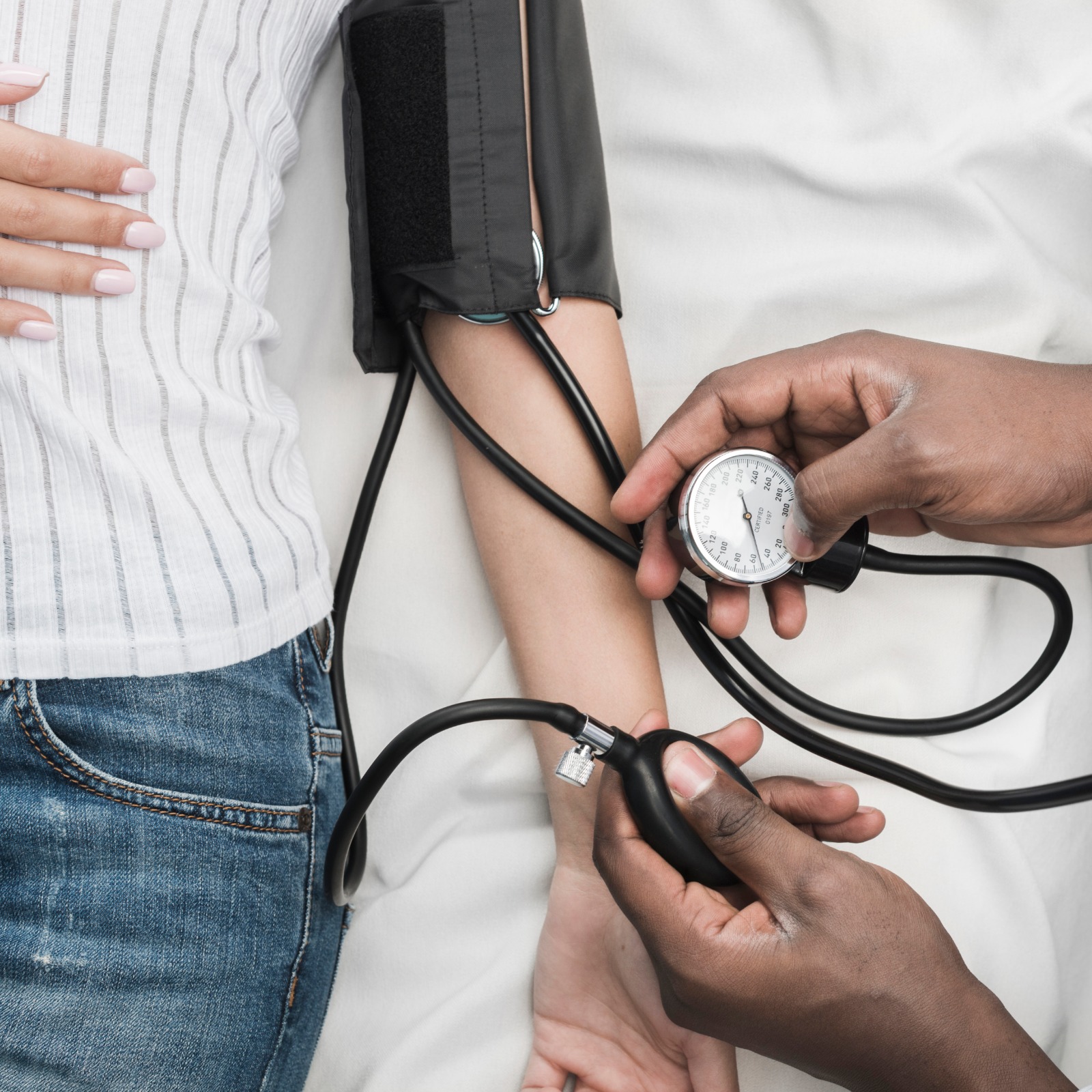
High blood pressure (hypertension) is often called the “silent killer” because it may not cause noticeable symptoms until serious complications develop. Regular blood pressure checks are one of the simplest and most effective ways to protect your heart, brain, and kidneys.
At Tranquil and Quest Specialist Hospital (TQSH) in Lekki, Lagos, we encourage routine screening as part of preventive healthcare. But how often should you actually check your blood pressure?

What Is Blood Pressure?
Blood pressure is the force of blood pushing against the walls of your arteries. It is measured in two numbers:
- Systolic pressure (top number): Pressure when the heart beats
- Diastolic pressure (bottom number): Pressure when the heart rests between beats
According to the World Health Organization, hypertension is a major risk factor for heart disease, stroke, kidney failure, and premature death worldwide.
How Often Should You Check Your Blood Pressure?
1. Adults (18–39 years) With Normal Blood Pressure
If your blood pressure is consistently normal (around 120/80 mmHg or lower) and you have no risk factors, Get checked at least once every 2 years
However, if you have risk factors such as obesity, family history of hypertension, smoking, or diabetes, yearly checks are advisable.
2. Adults (40 Years and Above)
From age 40 onward, the risk of hypertension increases.
- Check your blood pressure at least once every year
- More frequent checks may be needed if readings are borderline or slightly elevated.
3. People With Elevated or High Blood Pressure
If you have been diagnosed with hypertension:
- Check your blood pressure regularly as advised by your doctor
- Many patients benefit from home monitoring several times per week
- Routine follow-ups at the hospital are important to adjust medications and prevent complications
4. Pregnant Women
Pregnancy can sometimes cause high blood pressure (gestational hypertension or preeclampsia).
Regular antenatal visits include blood pressure checks to protect both mother and baby.
When Should You Check More Frequently?
You may need more frequent monitoring if you:
- Have diabetes
- Have kidney disease
- Have a history of stroke or heart disease
- Are you overweight or physically inactive
- Experience symptoms like headaches, dizziness, blurred vision, or chest pain
Why Regular Blood Pressure Checks Matter
Unchecked high blood pressure can lead to:
- Heart attack
- Stroke
- Kidney damage
- Vision problems
- Heart failure
Early detection allows for simple lifestyle changes or medication that can significantly reduce risks.
Can You Check Blood Pressure at Home?
Yes. Home blood pressure monitors are widely available and useful. However:
- Ensure your device is accurate
- Sit quietly for 5 minutes before measuring
- Avoid caffeine or exercise 30 minutes before checking
- Keep a log of your readings
Always discuss home readings with your doctor.
Take Control of Your Heart Health
Hypertension often develops gradually and without warning signs. The good news is that it is preventable and manageable with early detection and proper care.
If you’re unsure about your blood pressure status, schedule a check-up at Tranquil and Quest Specialist Hospital (TQSH), Lekki. Our team provides comprehensive cardiovascular screening and personalized care to help you stay healthy.
Your heart works for you every second, make sure you’re checking in on it regularly.