


Can Diabetes Be Prevented?
Diabetes is one of the most common chronic health conditions worldwide, and its impact continues to grow. It occurs when the body cannot properly regulate blood glucose, leaving blood sugar levels higher than normal. But an important question is: Can diabetes be prevented?
The answer depends on the type of diabetes. Type 1 diabetes cannot currently be prevented with known lifestyle changes, while type 2 diabetes can often be prevented or delayed, particularly in people who are at increased risk. Gestational diabetes also cannot always be prevented, although healthy habits and appropriate prenatal care can help reduce risk in some women.
The good news is that prevention does not necessarily require extreme lifestyle changes. Small, consistent choices involving food, physical activity, weight management, sleep, and regular health checks can make an important difference.
What Is Diabetes?
Diabetes is a condition in which blood glucose, or blood sugar, becomes too high. Glucose is an important energy source for the body. The hormone insulin helps glucose move from the bloodstream into cells where it can be used for energy. When the body does not produce enough insulin or cannot use it effectively, glucose can build up in the blood. There are several major types of diabetes:
Type 1 Diabetes
Type 1 diabetes occurs when the body’s immune system attacks the cells in the pancreas that produce insulin. It can develop at any age, although it commonly begins during childhood or adolescence. At present, there is no established lifestyle-based way to prevent type 1 diabetes.
Type 2 Diabetes
Type 2 diabetes is the most common form. It occurs when the body becomes resistant to insulin and, over time, may not produce enough insulin to maintain normal blood glucose levels.
Lifestyle and genetic factors can both influence the risk of developing type 2 diabetes.
Gestational Diabetes
Gestational diabetes develops during pregnancy. It usually resolves after pregnancy, but women who experience it have a higher risk of developing type 2 diabetes later in life.
Can Type 2 Diabetes Be Prevented?
For many people, type 2 diabetes can be prevented or delayed.
Prevention is particularly important for individuals with risk factors such as:
- Being overweight or having obesity
- Physical inactivity
- A family history of type 2 diabetes
- Previous gestational diabetes
- High blood pressure
- Abnormal cholesterol levels
- Prediabetes
- Increasing age
- Certain ethnic or genetic risk factors
Having one or more risk factors does not mean that you will definitely develop diabetes. It means that prevention and regular screening may be especially important.
1. Maintain a Healthy Weight
Excess body weight, particularly excess fat around the abdomen, can increase the risk of insulin resistance and type 2 diabetes. If you are overweight, even modest weight loss can provide health benefits and may reduce the risk of developing type 2 diabetes.
Rather than focusing on rapid weight loss, aim for sustainable changes that you can maintain over time. These may include:
- Reducing excessive portions
- Eating more vegetables and whole foods
- Limiting sugary drinks
- Increasing physical activity
- Reducing frequent consumption of highly processed foods
If you are unsure what a healthy weight means for you, speak with a healthcare professional.
2. Eat a Balanced Diet
Your everyday food choices can influence your blood glucose, weight, heart health, and overall risk of diabetes.
A diabetes-friendly eating pattern can include:
- Vegetables and fruits
- Whole grains
- Beans and other legumes
- Lean sources of protein
- Fish
- Nuts and seeds
- Healthy sources of dietary fat
Try to limit frequent consumption of:
- Sugary drinks
- Excess sweets and confectionery
- Highly processed foods
- Excessively large portions
- Foods high in saturated and trans fats
You do not have to completely eliminate your favorite foods. The goal is to develop a balanced eating pattern that you can maintain.
3. Reduce Sugary Drinks
Soft drinks, energy drinks, sweetened juices, and other sugar-sweetened beverages can contain significant amounts of added sugar.
Regularly consuming large amounts of these drinks can contribute to excess calorie intake and weight gain, which may increase the risk of type 2 diabetes.
Water should generally be your primary drink. Unsweetened beverages can also be useful alternatives.
4. Stay Physically Active
Regular physical activity can help your body use insulin more effectively and support healthy blood glucose levels.
You don’t have to become an athlete to benefit from exercise.
Activities such as:
- Brisk walking
- Cycling
- Swimming
- Dancing
- Jogging
- Recreational sports
- Strength training
can all contribute to an active lifestyle.
If you have been inactive for a long time, start gradually and choose activities that fit your routine.
5. Avoid Sitting for Long Periods
Exercise matters, but so does reducing prolonged inactivity.
If your work involves sitting for several hours, consider taking short movement breaks throughout the day.
Simple habits such as walking around during breaks, taking the stairs when appropriate, or standing periodically can help you become more active.
6. Get Enough Sleep
Sleep is often overlooked when discussing diabetes prevention.
Poor or inadequate sleep can affect appetite, energy levels, metabolism, and other health-related factors. Developing a consistent sleep routine can support overall wellbeing.
Try to:
- Maintain regular sleep and wake times
- Reduce unnecessary screen use before bed
- Create a comfortable sleeping environment
- Address persistent sleep problems with a healthcare professional
7. Manage Stress
Chronic stress can affect many aspects of health, including eating patterns, sleep, physical activity, and general well-being. Find healthy ways to manage stress, such as:
- Exercise
- Spending time with supportive friends and family
- Relaxation techniques
- Prayer or mindfulness, where appropriate
- Hobbies
- Adequate rest
- Speaking with a mental health professional when needed
Stress management is not about eliminating stress completely. It is about developing healthier ways to respond to it.
8. Don’t Ignore Prediabetes
Prediabetes means blood glucose levels are higher than normal but not yet within the range used to diagnose diabetes.
Many people with prediabetes have no obvious symptoms.
This makes screening especially important for people with risk factors.
Finding prediabetes provides an opportunity to make lifestyle changes and, when appropriate, receive medical support before type 2 diabetes develops.
9. Get Your Blood Sugar Checked
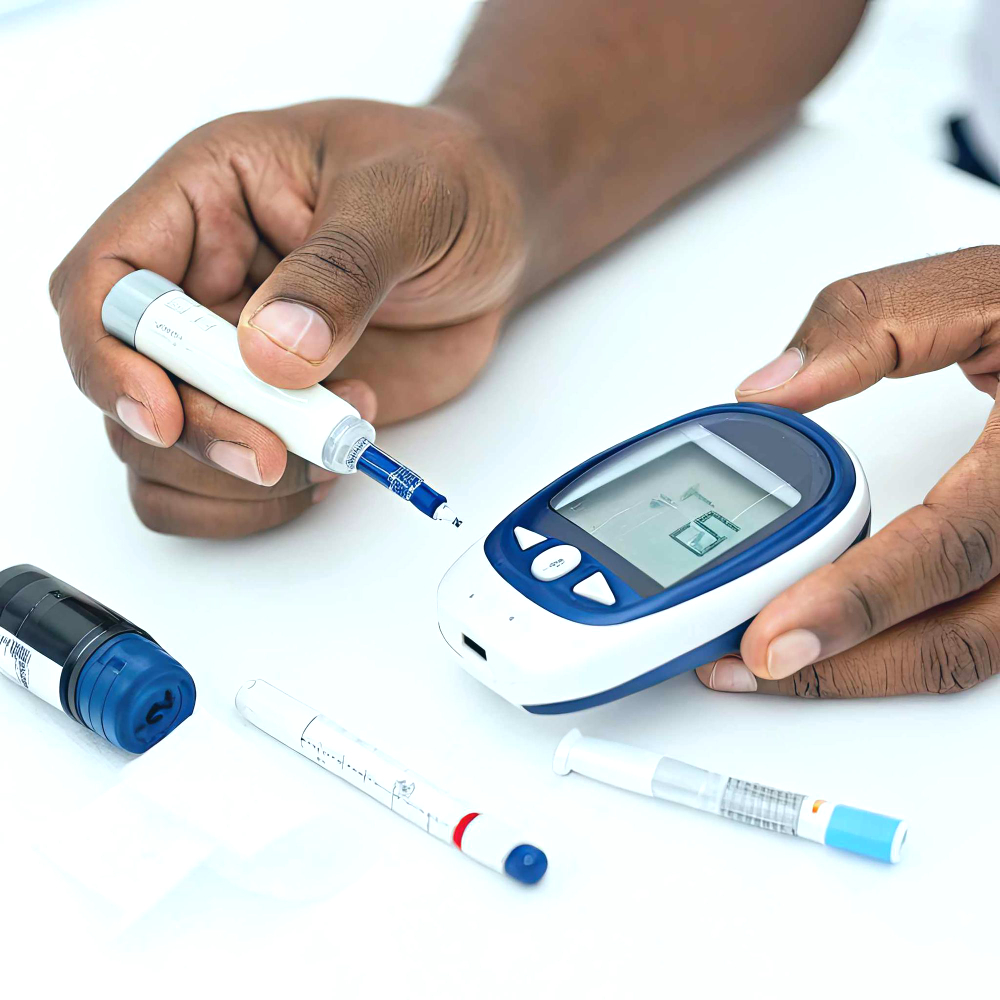
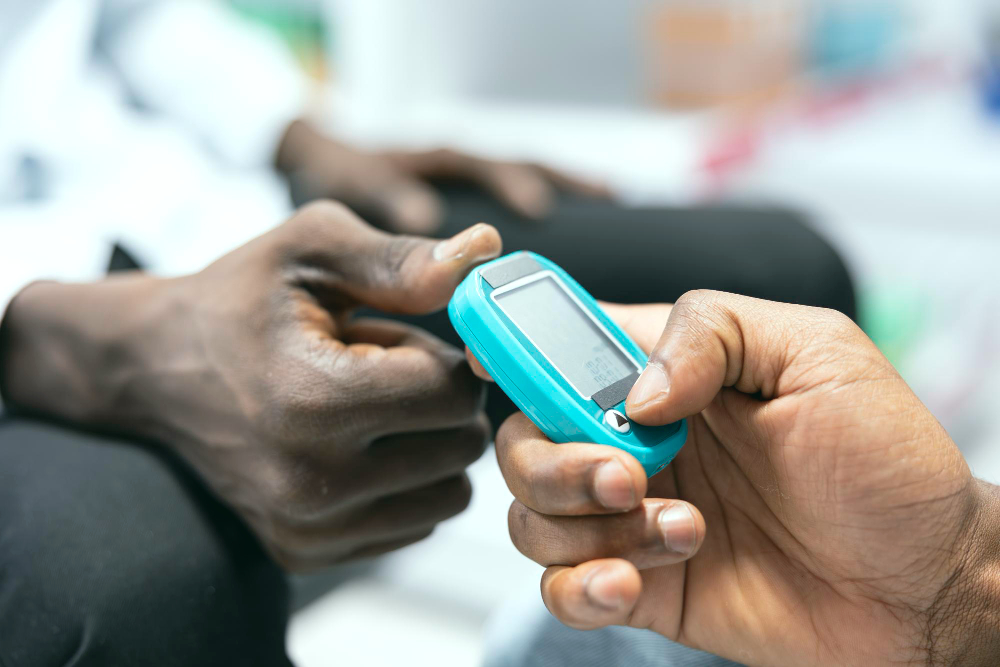
You should not wait until you develop symptoms before checking your blood glucose if you have risk factors for diabetes.
Depending on your circumstances, a healthcare professional may recommend tests such as:
- Fasting blood glucose
- HbA1c
- Oral glucose tolerance testing
Your doctor can advise which test is appropriate and how often you should be screened.
10. Know Your Family History
Genetics can influence your risk of developing type 2 diabetes.
If close family members have diabetes, tell your healthcare provider. Your family history can help your doctor assess your overall risk and determine whether you may benefit from earlier or more frequent screening.
Can Diabetes Be Prevented During Pregnancy?
Gestational diabetes cannot always be prevented.
However, women can support a healthy pregnancy by:
- Attending antenatal appointments
- Following appropriate nutritional advice
- Staying physically active when medically appropriate
- Maintaining a healthy weight before pregnancy where possible
- Completing recommended screening tests
Women who have previously experienced gestational diabetes should also discuss their future diabetes risk with their healthcare provider.
What Are the Warning Signs of Diabetes?
Although type 2 diabetes can develop without obvious symptoms, some people may experience:
- Frequent urination
- Increased thirst
- Increased hunger
- Unexplained weight loss
- Persistent tiredness
- Blurred vision
- Slow-healing wounds
- Recurrent infections
These symptoms can have many possible causes, so they do not automatically mean that someone has diabetes.
If you notice persistent or concerning symptoms, seek medical advice rather than attempting to diagnose yourself.
Why Early Detection Matters
Diabetes can affect multiple organs when blood glucose remains poorly controlled over a long period.
Possible complications include:
- Heart and blood vessel disease
- Kidney disease
- Nerve damage
- Eye problems
- Foot complications
- Increased risk of certain infections
Early detection allows healthcare professionals to assess the condition and develop an appropriate management plan.
Diabetes Prevention Starts With Small Decisions
You don’t have to completely transform your lifestyle overnight.
Start with realistic changes:
Instead of: Drinking sugary beverages every day
Try: Choosing water or unsweetened drinks more often.
Instead of: Sitting for hours without movement
Try: Taking regular movement breaks.
Instead of: Ignoring your family history
Try: Discussing your diabetes risk with your healthcare provider.
Instead of: Waiting for symptoms
Try: Getting appropriate health screenings.
Small changes, when maintained consistently, can contribute to better long-term health.
When Should You See a Doctor?
Consider speaking with a healthcare professional if:
- You have risk factors for diabetes
- Diabetes runs in your family
- You have been diagnosed with prediabetes
- You have experienced gestational diabetes
- You are overweight or have obesity
- You have high blood pressure or abnormal cholesterol
- You are experiencing possible symptoms of diabetes
- You have concerns about your blood glucose
A healthcare professional can assess your individual risk and recommend appropriate screening.
Conclusion
So, can diabetes be prevented?
For type 2 diabetes, the answer is often yes, or at least delayed. Healthy lifestyle choices, maintaining a healthy weight, regular physical activity, balanced nutrition, adequate sleep, and appropriate screening can all help reduce risk.
However, diabetes prevention is not about blaming individuals for developing the condition. Genetics, age, pregnancy, environment, access to healthcare, and other factors can all influence risk.
The most important step is to know your risk and take action early.
Your health does not have to wait until something goes wrong.
Take the Next Step
If you haven’t checked your blood sugar recently or you’re concerned about your risk of diabetes, consider speaking with a healthcare professional.
Tranquil & Quest Specialist Hospital is committed to helping individuals and families take a proactive approach to their health through preventive care, screening, diagnosis, and ongoing medical support.
Don’t wait for diabetes to become a problem before you start paying attention to your health.