


Know the Signs: Take Charge of Your Health for PCOS
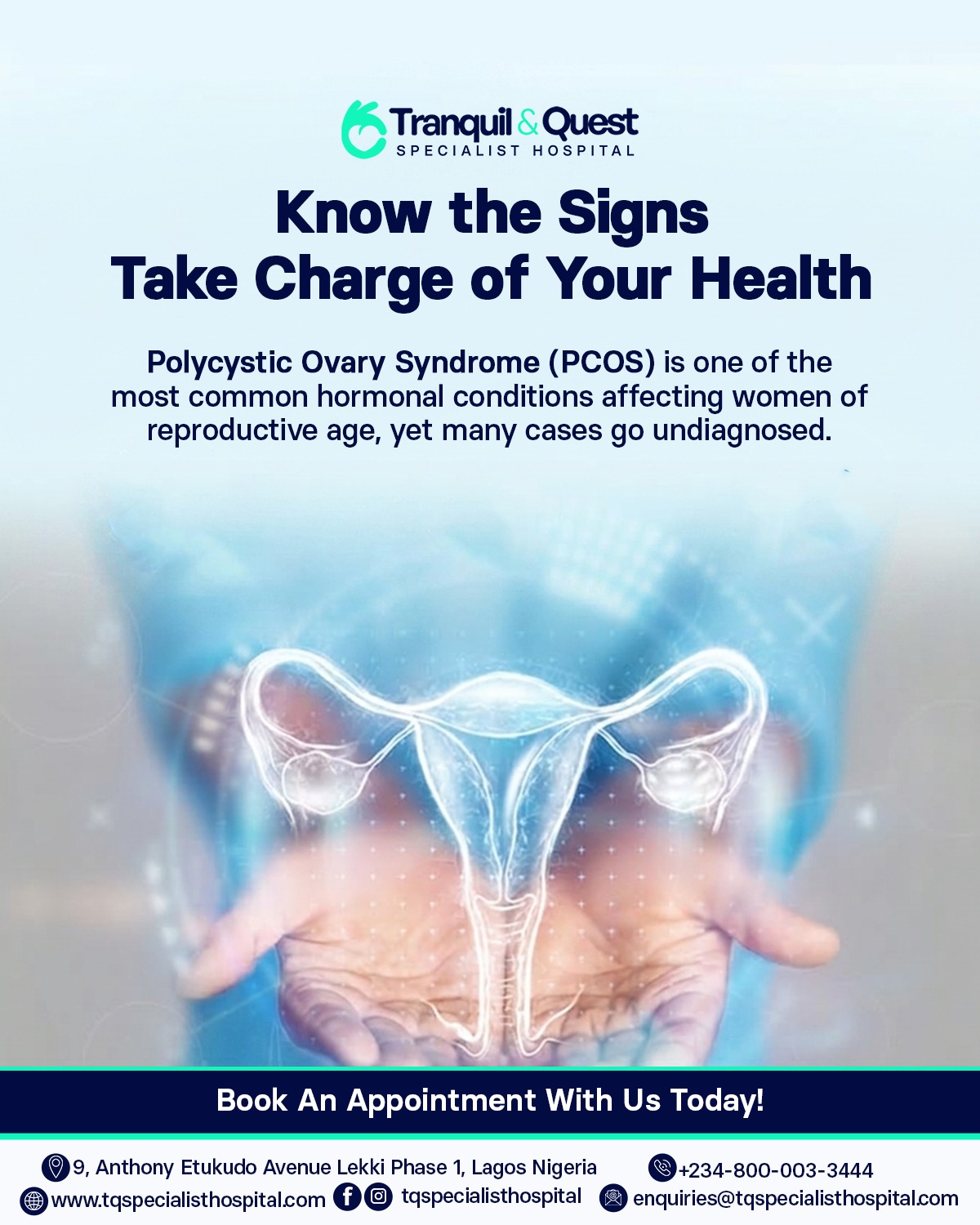
Polycystic Ovary Syndrome (PCOS) is one of the most common metabolic and hormonal conditions affecting women of reproductive age today, yet it remains one of the most widely misunderstood. Because its symptoms span across dermatology, gynecology, and metabolism, many women spend years treating individual issues in isolation without realizing an underlying hormonal imbalance connects them all.
When left undiagnosed and unmanaged, PCOS can quietly disrupt a woman’s quality of life, fertility, and long-term metabolic health. Gaining a comprehensive understanding of how PCOS manifests is the first step toward taking control of your hormones and reclaiming your biological vitality.
The Warning Signs: Decoding the Symptoms of PCOS
PCOS does not look the same for every woman. However, the condition leaves a distinct trail of biological signals across the body:
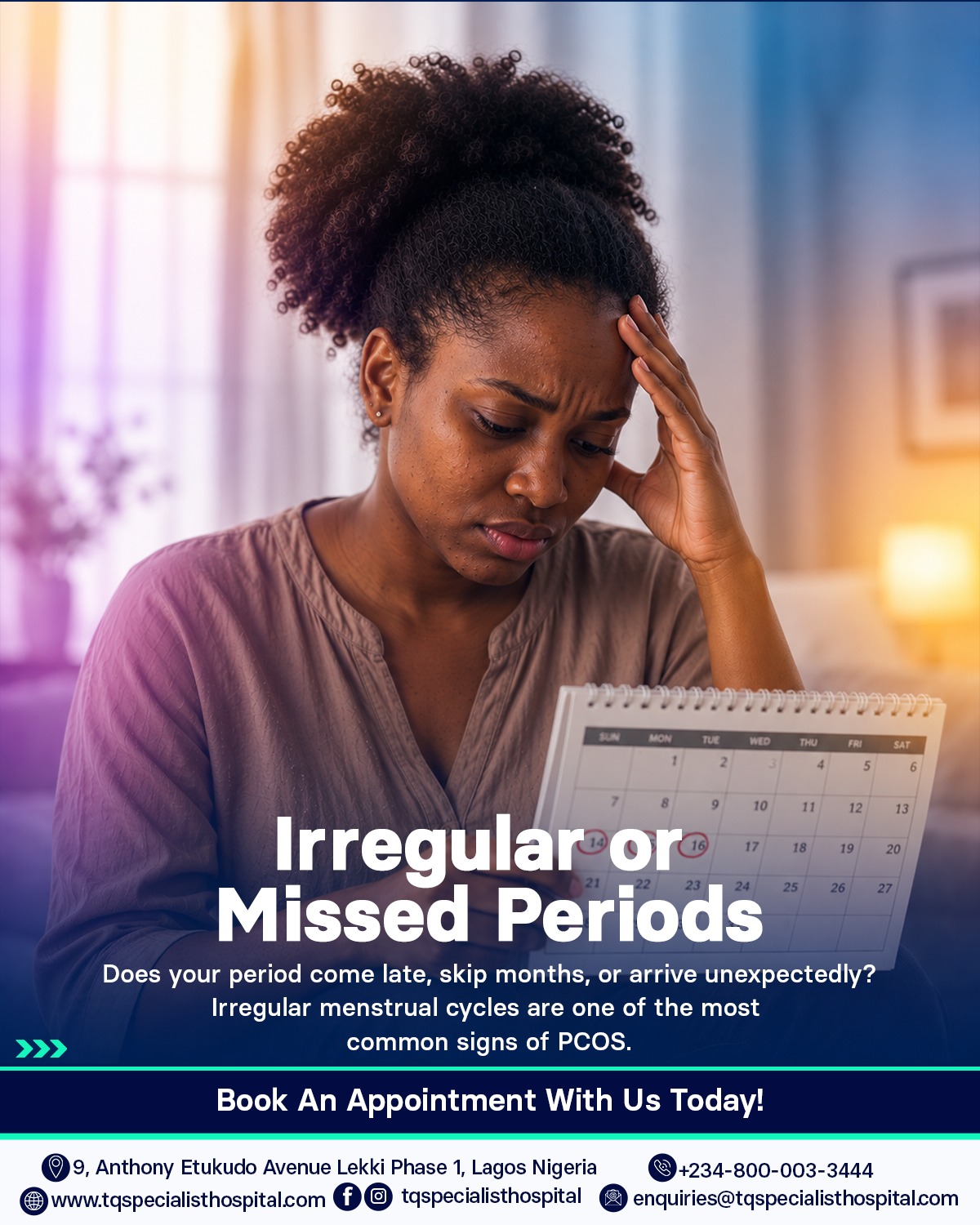
1. Irregular or Missed Periods
Your menstrual cycle may arrive late, skip several months entirely, or show up completely unexpectedly. These irregular cycles are one of the primary hallmark indicators of the condition.
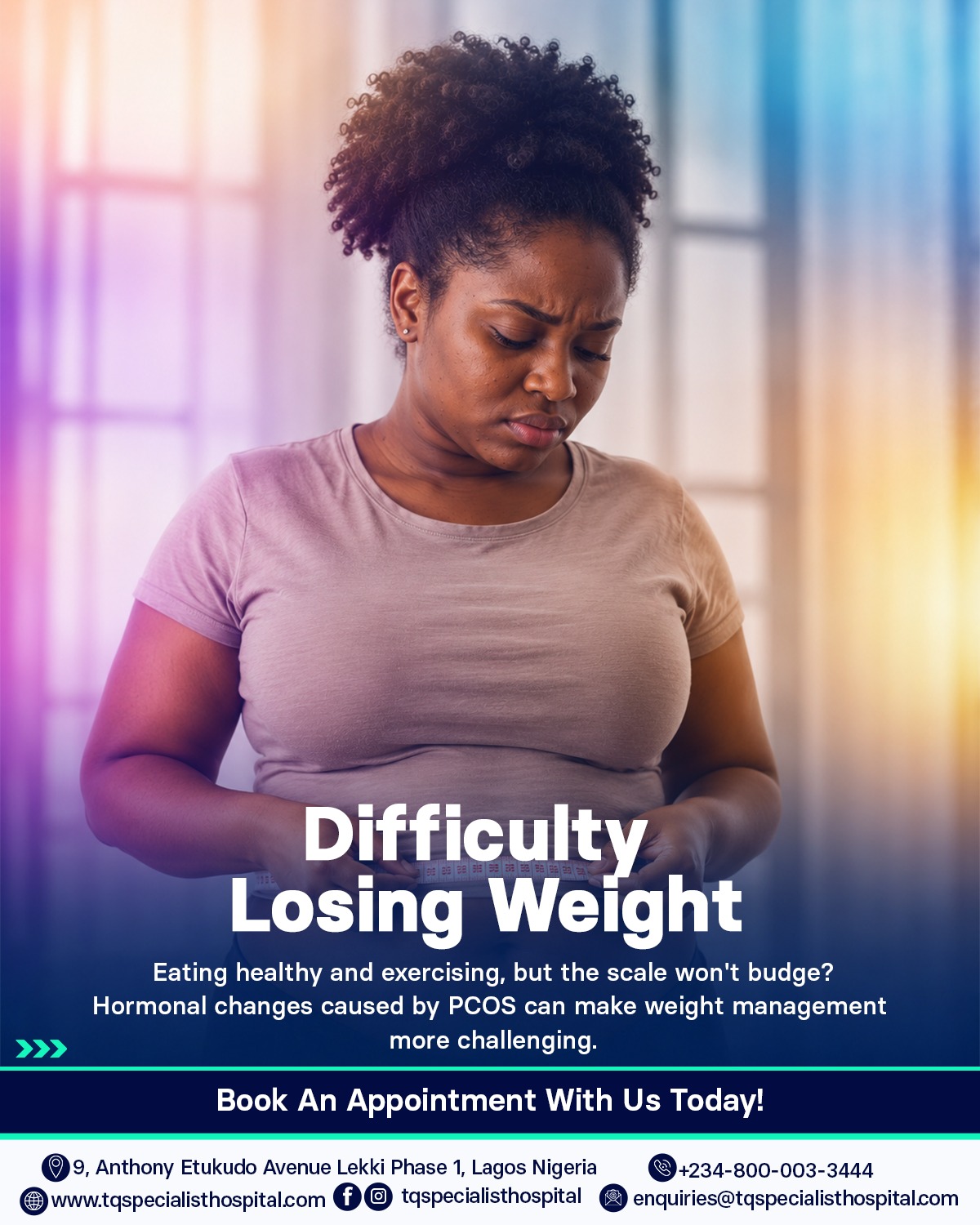
2. Difficulty Losing Weight
You might find yourself eating healthily and exercising consistently, yet the scale simply refuses to budge. The deep hormonal shifts driven by PCOS drastically alter your metabolic rate, making weight management a steep uphill battle.
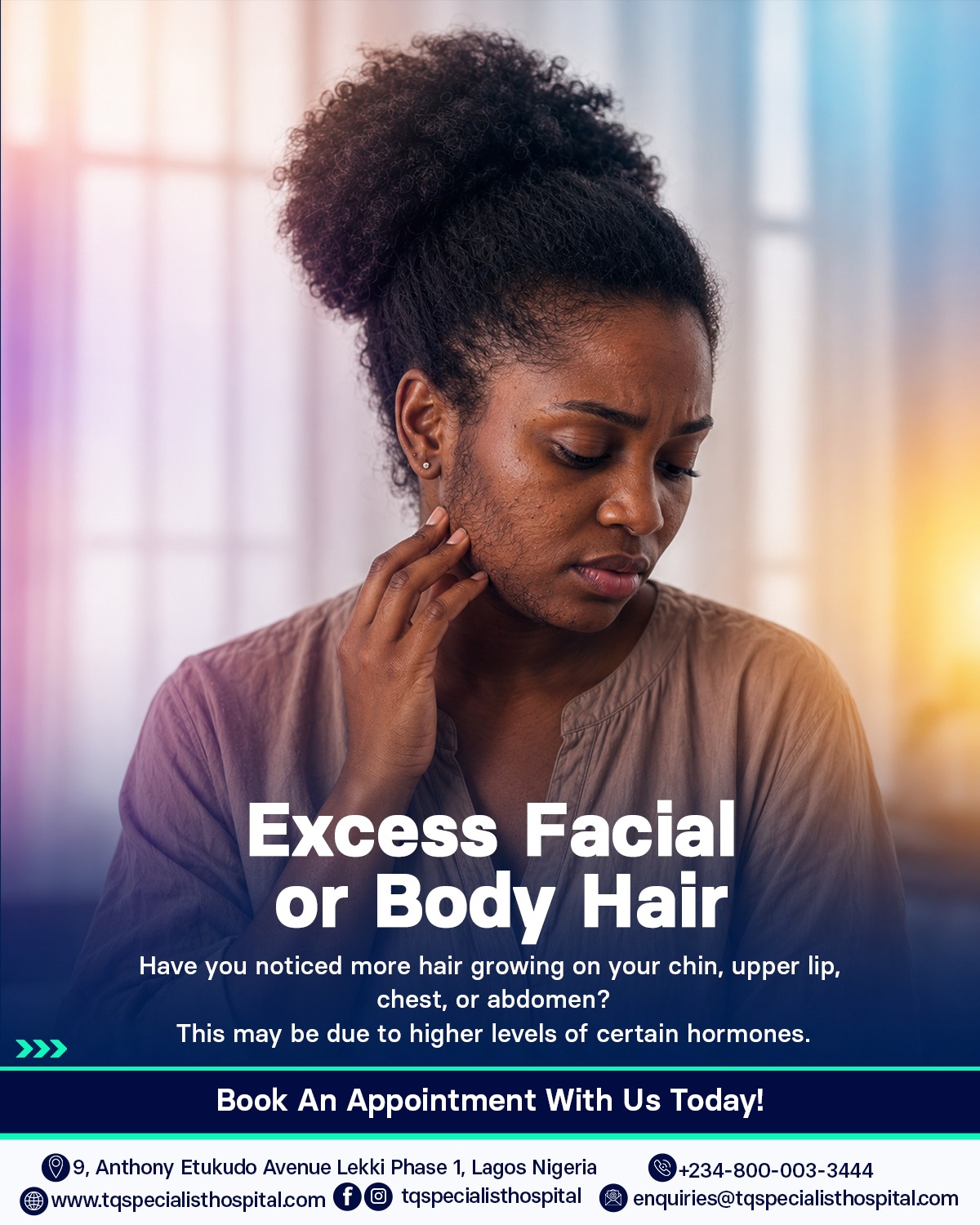
3. Excess Facial or Body Hair
Noticing thicker, darker hair growing in traditional male patterns, such as on your chin, upper lip, chest, or abdomen, is a condition known as hirsutism, triggered by elevated androgen levels.
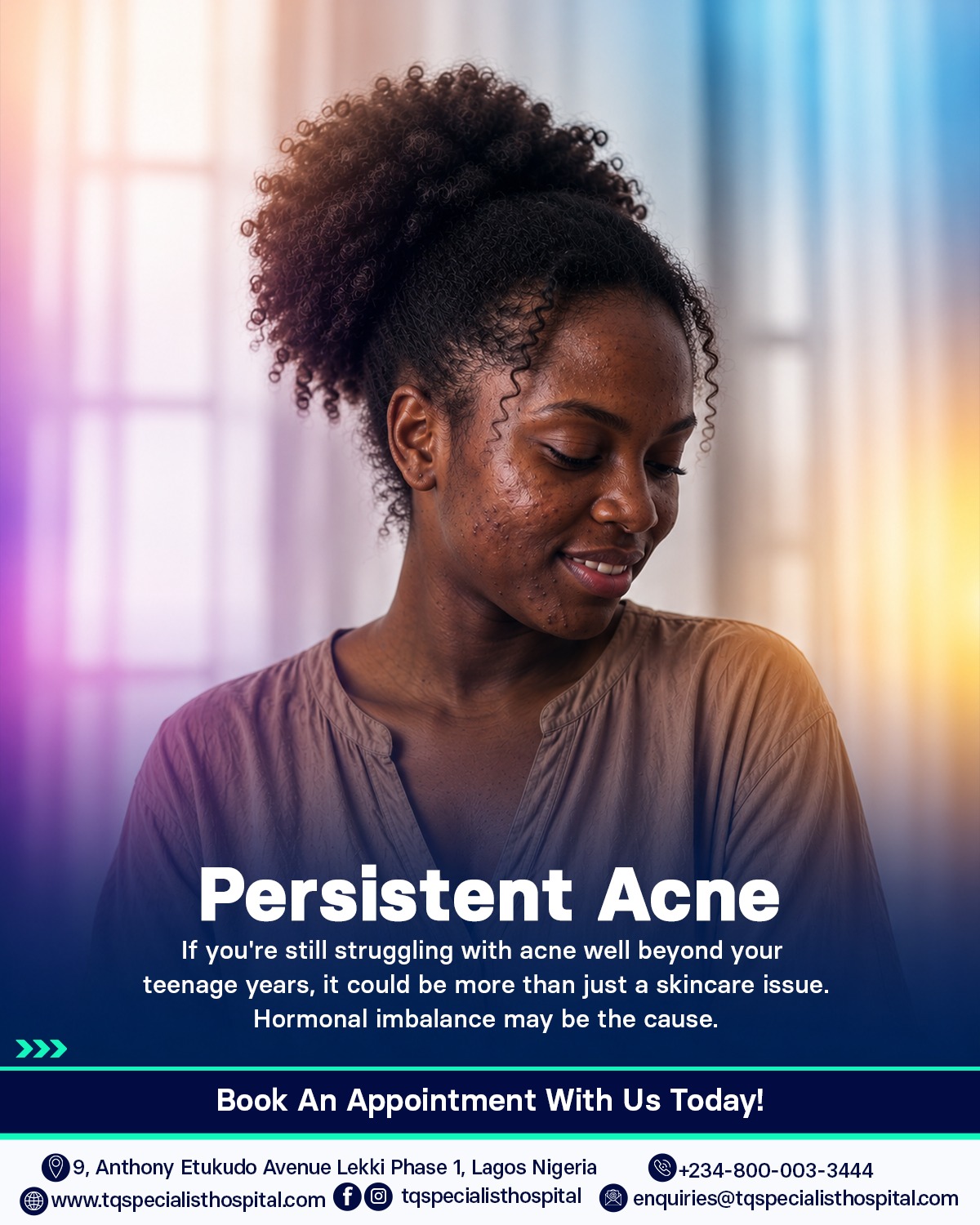
4. Persistent Acne
If you are still battling severe breakouts and painful cystic acne well beyond your teenage years, it is rarely just a skincare issue; a systemic hormonal imbalance is often the root cause.
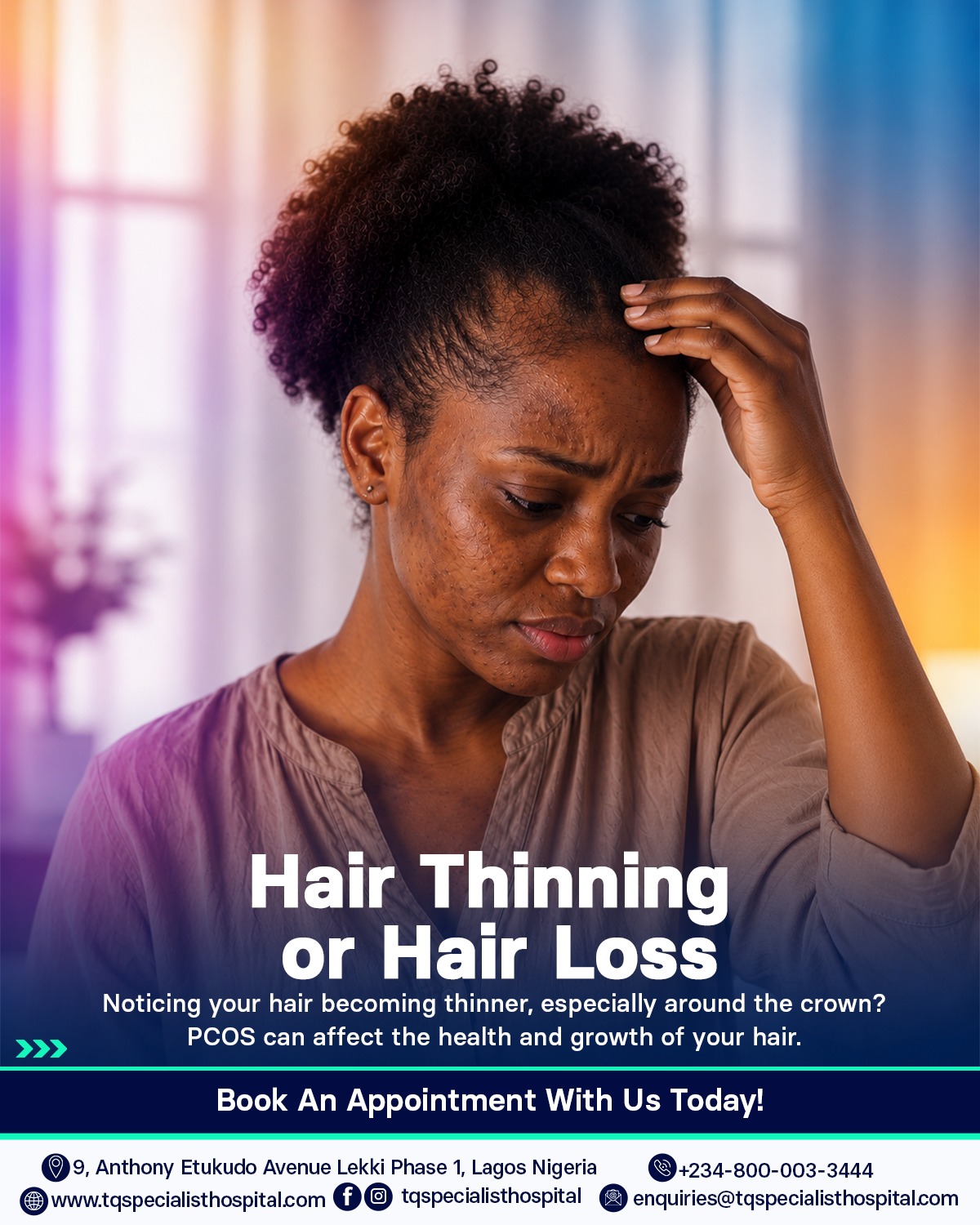
5. Hair Thinning or Hair Loss
You may notice your hair becoming progressively thinner, particularly around the crown of your scalp, as male-pattern hormones affect hair growth cycles.
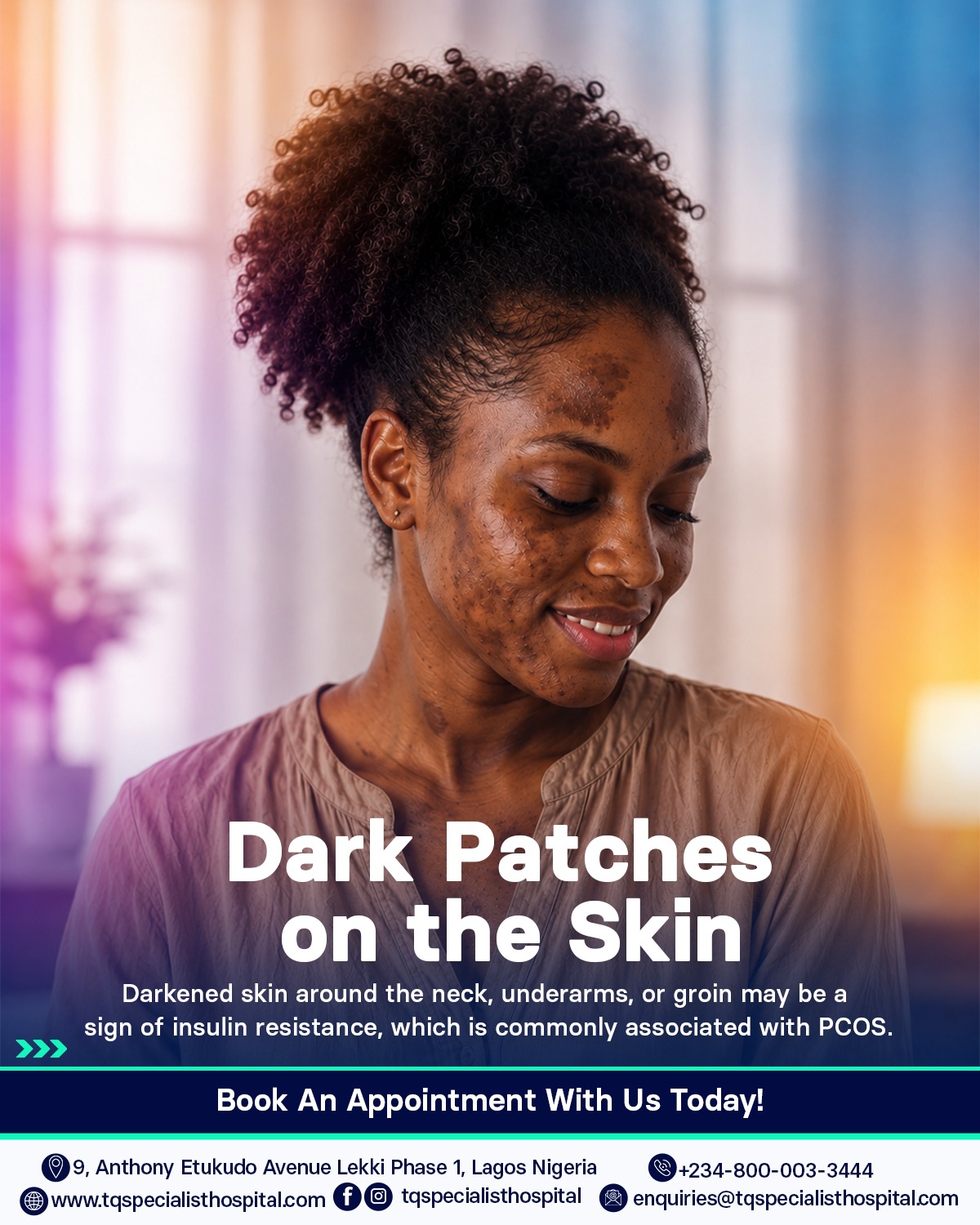
6. Dark Patches on the Skin
Developing darkened, velvety patches of skin around the folds of your neck, underarms, or groin is a physical manifestation of insulin resistance, a metabolic driver heavily linked to PCOS.
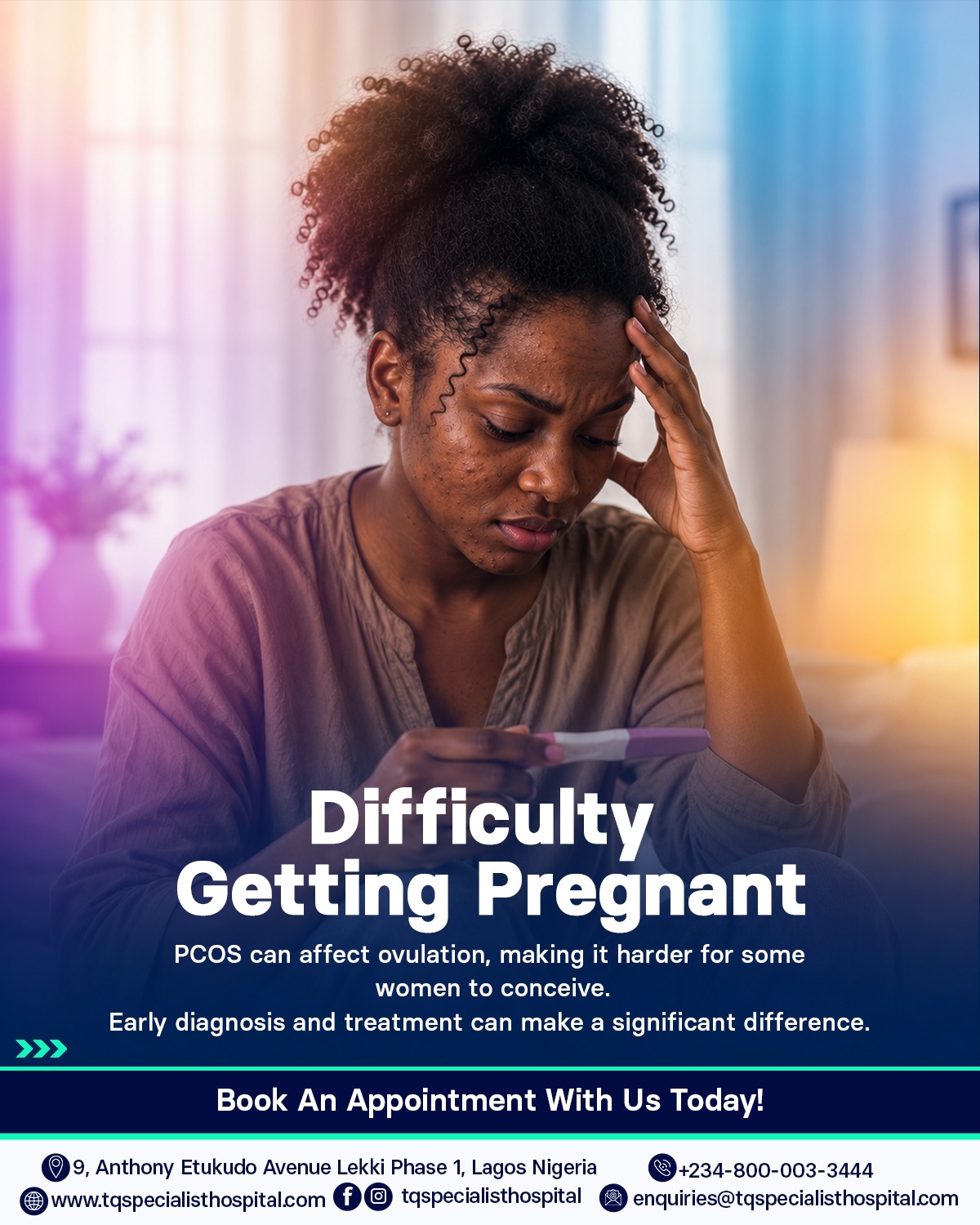
7. Difficulty Getting Pregnant
Because PCOS directly disrupts regular ovulation, it stands as a leading cause of female infertility, making it harder for couples to conceive naturally.
The Underlying Drivers: What is Happening Internally?
At its core, PCOS is a multi-system endocrine disorder. While the word “polycystic” suggests the presence of numerous small, fluid-filled sacs (immature follicles) in the ovaries, the underlying issue lies in how the body processes hormones and sugars.
The first major driver is androgen excess, where the ovaries produce slightly higher levels of “male” hormones than normal, halting the monthly release of an egg and triggering cosmetic issues like hair loss and acne. The second core driver is insulin resistance. When your cells cannot properly utilize insulin, your body overproduces it, which signals the ovaries to produce even more androgens, making weight loss exceptionally difficult.
Moving Forward: Diagnosis and Personalized Management
Living with PCOS can feel isolating, but it is a highly manageable condition. Diagnosis typically requires a combination of a private clinical evaluation, targeted blood chemistry panels to check your hormone and glucose baselines, and a high-resolution pelvic ultrasound to evaluate the ovaries.
Management rarely relies on a single medication. Instead, an effective strategy combines personalized nutrition plans designed to manage insulin spikes, targeted medical therapies to restore menstrual regularity, and fertility support if family planning is your immediate goal. Early clinical intervention protects your metabolic health and prevents future complications like type 2 diabetes or cardiovascular risks.