


Rehabilitation After Surgery: Strategies for Success
Successfully undergoing a surgical procedure is a major milestone, but the operation itself is only the first phase of your journey back to full health. What happens after you leave the operating theater plays an equally critical role in determining your long-term physical outcomes. Post-operative rehabilitation is the structured, essential process of helping your body rebuild its strength, restore joint mobility, and safely adapt as it heals.
Many patients assume that resting completely until they feel better is the best approach to recovery. However, modern medicine shows that passive rest can lead to joint stiffness, muscle wasting, and prolonged weakness. Embracing a proactive, professionally guided recovery plan is the fastest, safest way to minimize complications and return to peak physical performance.
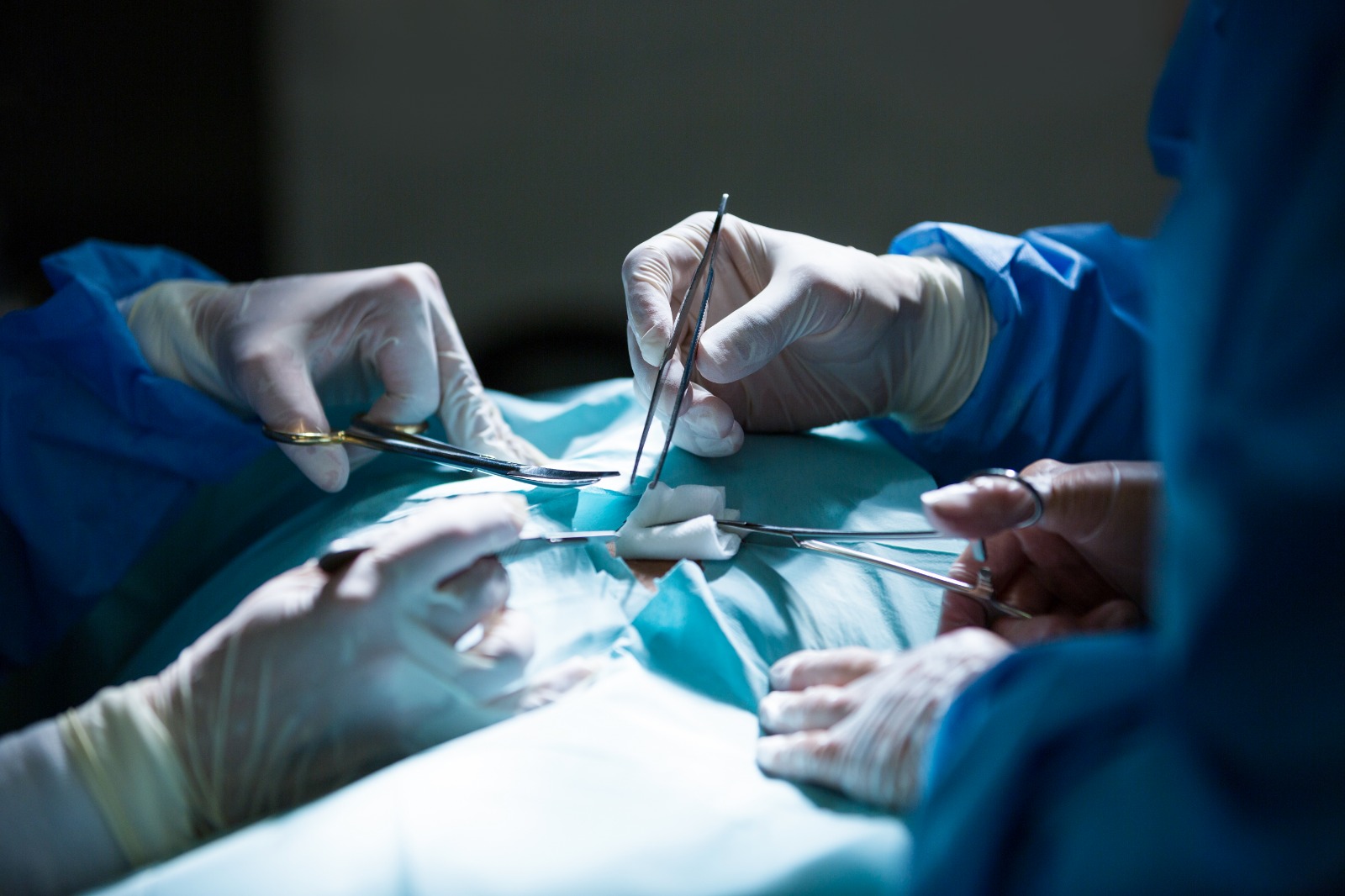
The Physiological Stages of Surgical Healing
Following a surgical intervention, the human body immediately initiates a multi-layered biological repair sequence. Understanding this timeline allows you to align your physical movements with your body’s natural healing mechanisms:
- The Inflammatory Phase (Days 1–5): This is the immediate postoperative period in which the body directs blood flow, immune cells, and nutrients to the surgical site to control bleeding and clear damaged tissue. Swelling, redness, and localized discomfort are entirely normal indications of active cellular defense.
- The Proliferative Phase (Weeks 1–6): During this window, the body begins laying down fresh collagen fibers to stitch internal tissues and skin incisions back together. Temporary scar tissue forms rapidly, meaning early, gentle, controlled mobility exercises are required to ensure the area remains flexible rather than stiff and rigid.
- The Remodeling Phase (Months 2–12): This is the long-term structural phase where the temporary scar tissue matrix is systematically replaced by stronger, highly organized cellular bonds. Regular physical therapy during this stage shapes these new tissues, conditioning them to handle the stress of daily work, lifting, and sports activity.
Key Pillars of an Effective Rehabilitation Plan
Early Mobilization and Circulation Support: Inactivity can slow systemic blood circulation, significantly increasing the risk of deep vein thrombosis (DVT) or localized blood clots in the legs. Under the guidance of your care team, executing simple movements, such as ankle pumps, light leg elevations, or brief assisted walks down the hallway, stimulates vital blood flow, dramatically accelerating cellular healing and reducing fluid retention.
Structured Physical and Occupational Therapy: Whether you are recovering from a laparoscopic abdominal procedure or an orthopedic joint intervention, tailored therapeutic exercises are crucial. Physical therapy gently coaxes your muscles back to life, targets localized muscle atrophy, and re-establishes your normal range of motion. Occupational therapy further ensures you can safely navigate everyday domestic tasks, such as bathing, climbing stairs, or reaching overhead, without placing unnecessary mechanical strain on healing incisions.
Collaborative Pain Management: Effective rehabilitation requires a balance between comfort and movement. Experiencing a manageable level of discomfort during physical therapy is normal, but severe pain can stall your recovery by causing your muscles to lock up in a protective spasm. Work closely with your clinical team to establish a balanced pain management strategy that combines prescribed medication with localized icing and elevation, ensuring you can participate fully in your recovery exercises.
Nutritional Conditioning for Tissue Repair: Your body requires substantial cellular fuel to rebuild damaged muscles and skin. Prioritize a clean, protein-rich diet that incorporates lean meats, fish, eggs, or legumes to provide the essential amino acids needed for collagen synthesis. Pair this with a steady intake of Vitamin C (found in citrus fruits), Zinc, and absolute hydration to fortify your immune response and accelerate wound closure.
The Risk of Neglecting Your Rehab Schedule
Choosing to skip or cut corners on your post-surgical rehabilitation can lead to preventable medical setbacks. Without managed movement, the body naturally deposits scar tissue haphazardly around the surgical site, which can cause chronic joint stiffness, localized pain, or internal adhesions that restrict organic movement years down the line. Treating your recovery guide with the same tactical discipline you applied to your pre-operative planning ensures your surgery yields the best possible lifestyle return.
Conclusion
An operation fixes the structural issue in the body, but dedicated post-operative rehabilitation teaches your body how to live, move, and thrive again. Approaching your recovery step by step with patience, persistence, and specialized guidance ensures a seamless, safe transition back to your daily routines.
At Tranquil & Quest Specialist Hospital, our surgical support and recovery teams are committed to walking with you through every phase of your treatment. From our ultra-sterile, advanced operating theaters to our personalized post-operative counseling and wellness follow-ups, we provide the holistic, compassionate care necessary to get you back on your feet with absolute confidence.