


Importance of Early Diagnosis in Modern Healthcare
In today’s rapidly evolving healthcare landscape, early diagnosis has become more important than ever. With advancements in medical technology, healthcare providers now have the tools to detect diseases at their earliest stages—often before symptoms even appear. Early diagnosis not only saves lives but also improves treatment outcomes, reduces healthcare costs, and enhances overall quality of life.
What is Early Diagnosis?
Early diagnosis refers to the timely identification of a disease or medical condition before it progresses to a more severe stage. This can be achieved through routine health screenings, diagnostic tests, and awareness of early warning signs.
Why Early Diagnosis Matters
1. Improved Treatment Outcomes
When diseases are detected early, they are often easier to treat. Conditions such as cancer, diabetes, and hypertension can be effectively managed or even reversed when identified at an early stage.
2. Reduced Healthcare Costs
Treating advanced-stage illnesses is often more complex and expensive. Early diagnosis helps reduce the need for extensive treatments, hospitalizations, and long-term care, making healthcare more affordable for patients.
3. Prevention of Complications
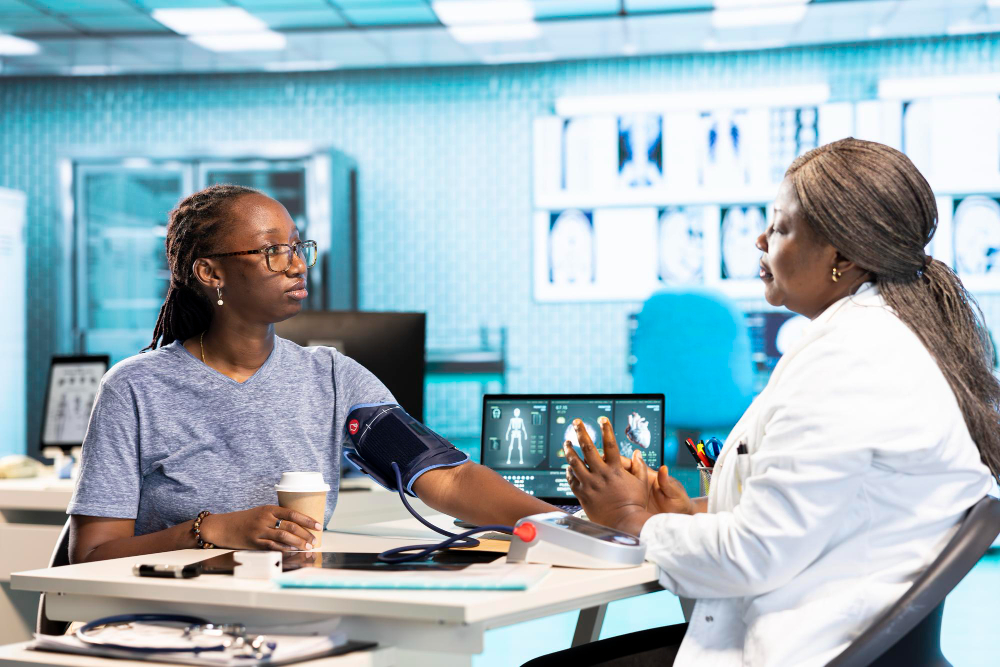
Early detection allows healthcare providers to intervene before complications arise. For instance, identifying high blood pressure early can prevent heart disease, stroke, and kidney failure.
4. Increased Survival Rates
Many life-threatening diseases have significantly higher survival rates when diagnosed early. For example, early-stage cancer patients have a much better prognosis compared to those diagnosed at later stages.
5. Better Quality of Life
Early diagnosis helps patients maintain a better quality of life by minimizing symptoms, reducing disease progression, and enabling timely medical interventions.
The Role of Modern Technology
Modern healthcare has been transformed by technological advancements such as:
- Digital imaging (MRI, CT scans)
- Telemedicine consultations
- AI-powered diagnostic tools
- Wearable health monitoring devices
These innovations make early detection faster, more accurate, and more accessible than ever before.
The Importance of Regular Health Check-Ups
Routine medical check-ups play a critical role in early diagnosis. Many conditions develop silently without noticeable symptoms. Regular screenings can help detect:
- High blood pressure
- Diabetes
- Cancer
- Heart disease
- Respiratory conditions
Healthcare providers recommend periodic health assessments based on age, lifestyle, and medical history.
How You Can Take Charge of Your Health
- Schedule regular medical check-ups
- Pay attention to unusual symptoms
- Maintain a healthy lifestyle
- Follow your doctor’s recommendations
- Take advantage of available screening programs
Conclusion
Early diagnosis is a cornerstone of modern healthcare. It empowers both patients and healthcare providers to take proactive steps toward better health outcomes. By prioritizing regular screenings and embracing modern medical advancements, individuals can significantly reduce their risk of severe illness and lead healthier, longer lives.
At TQSH, we are committed to providing accessible, accurate, and timely diagnostic services to support early detection and improve patient care. Your health matters—don’t wait for symptoms to take action.